
Last updated September 10, 2026
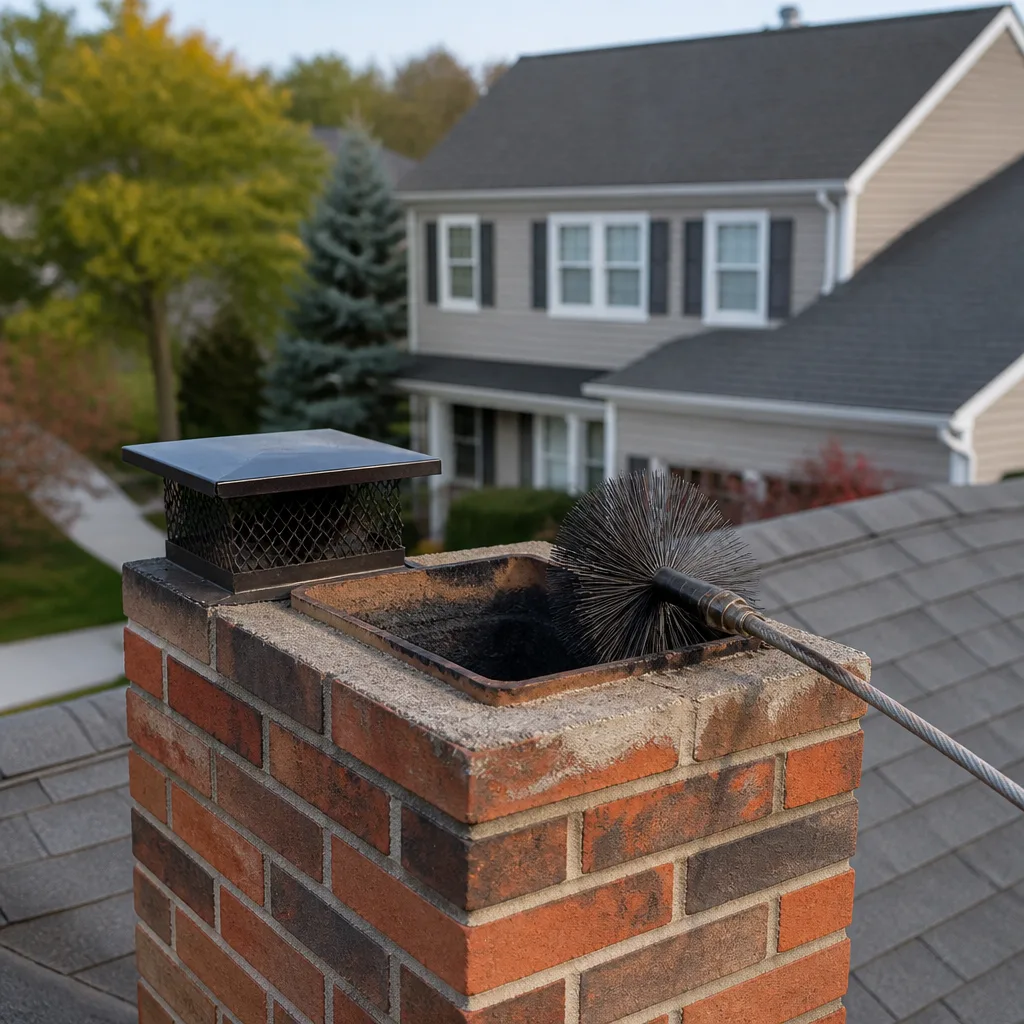
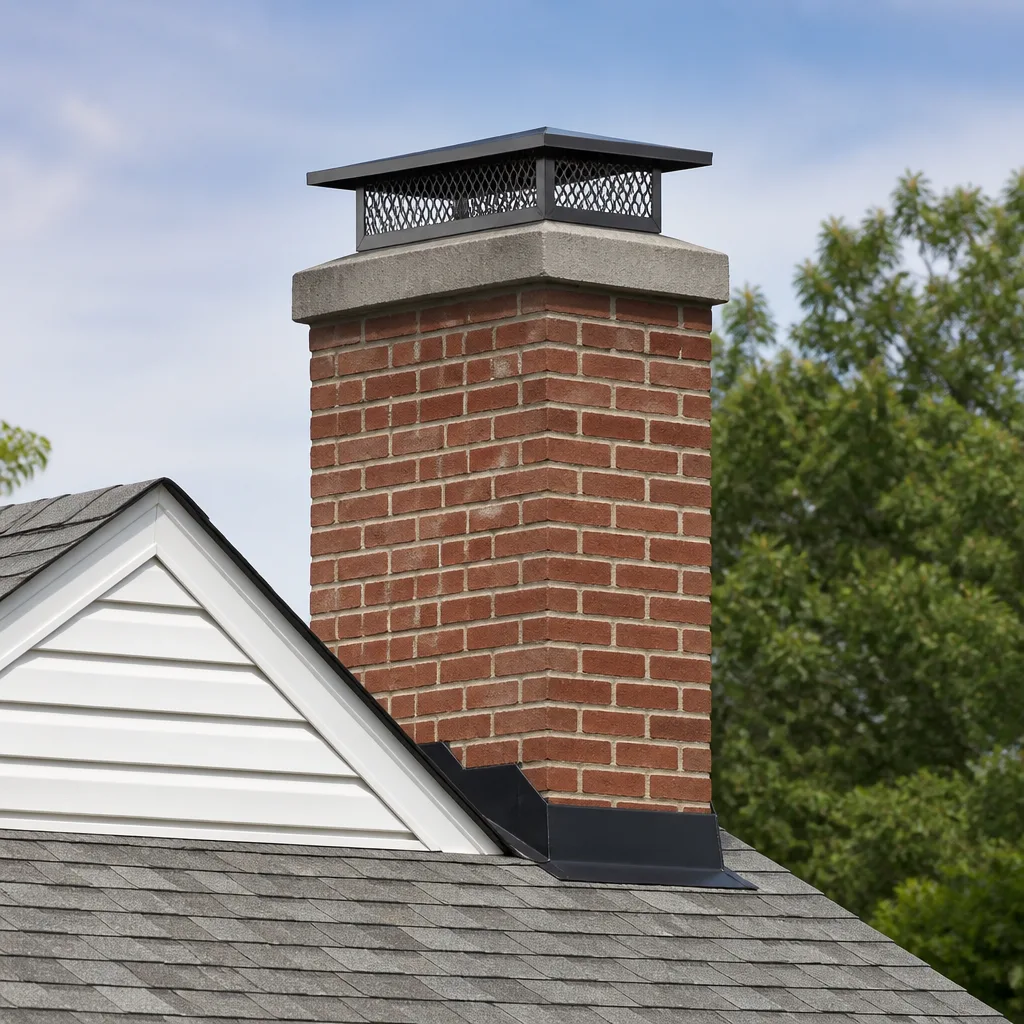
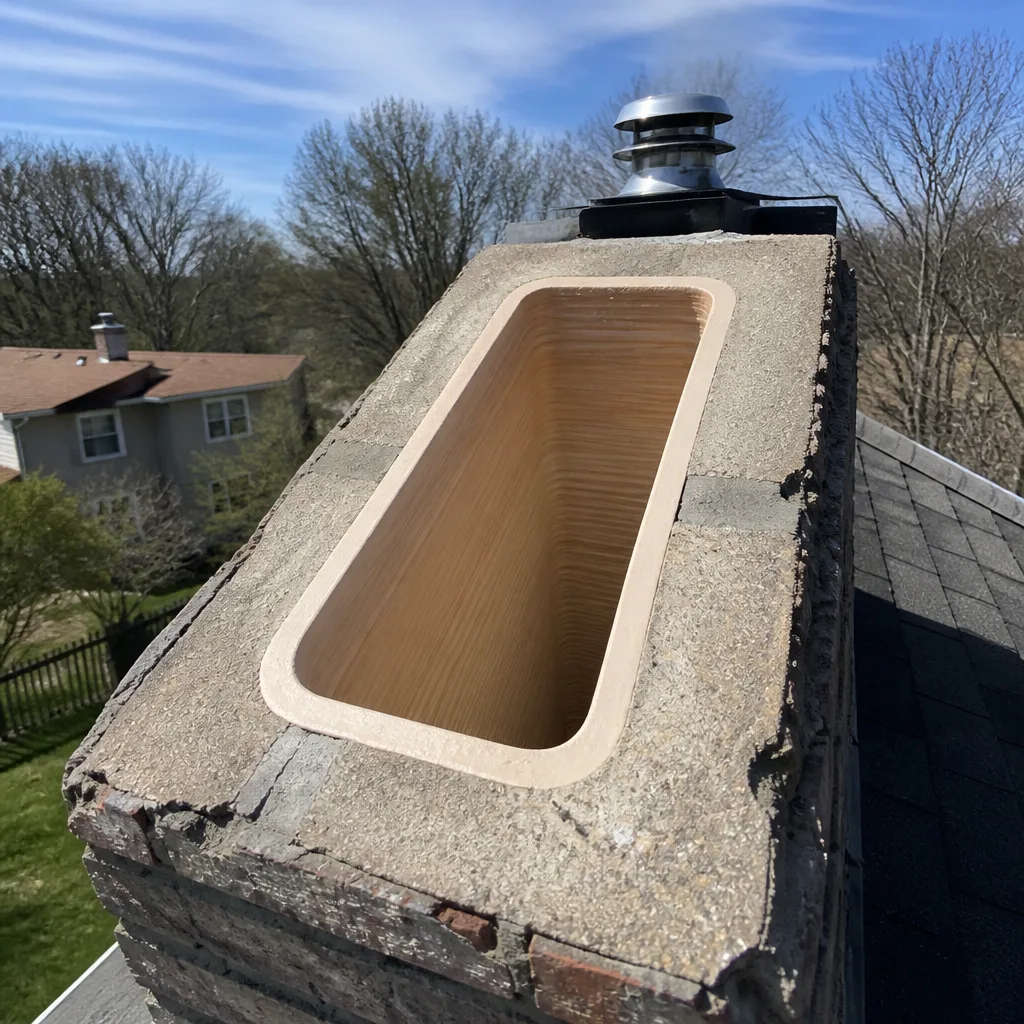
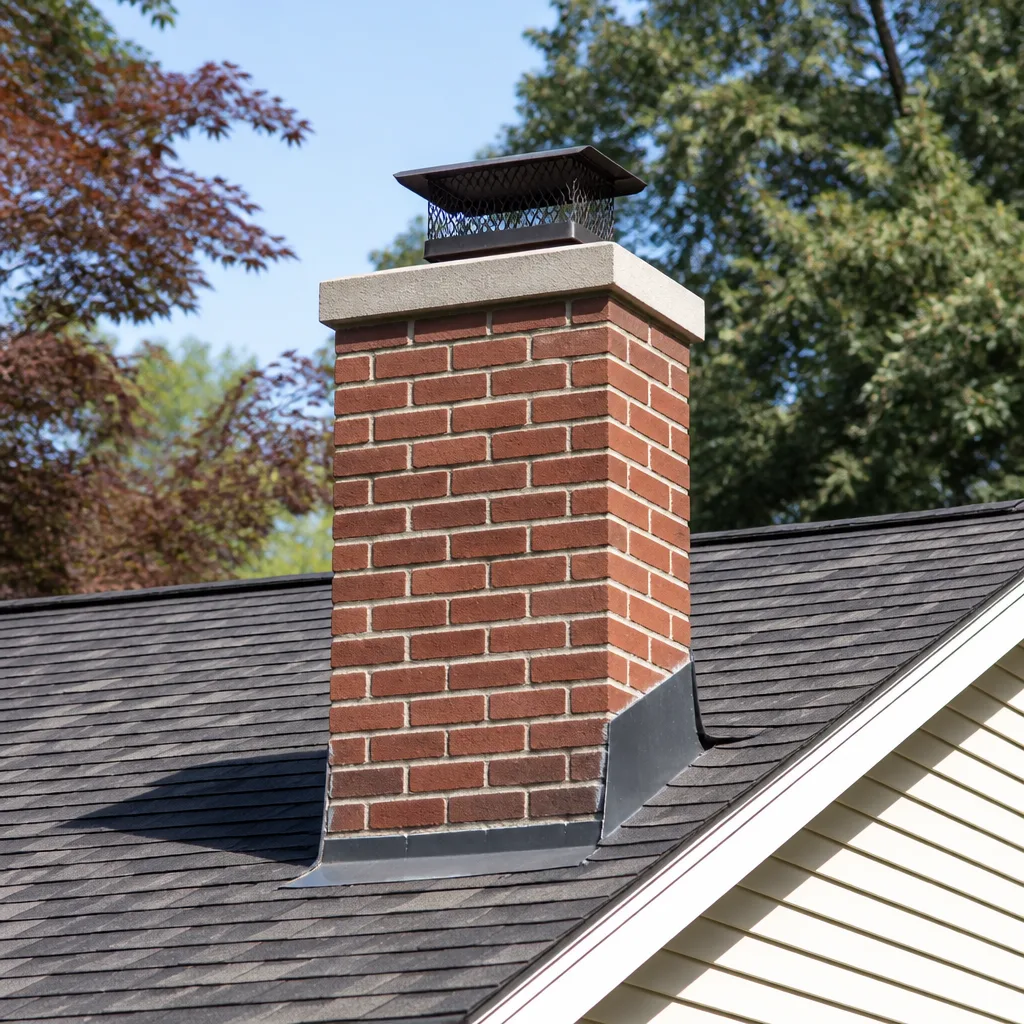
Level 1 sweep and inspection to the NFPA 211 annual standard - flue, crown, cap, and flashing checked and photographed
Chimney sweep logs do not sweep chimneys. They loosen some creosote - which then falls where a brush and vacuum still have to collect it.
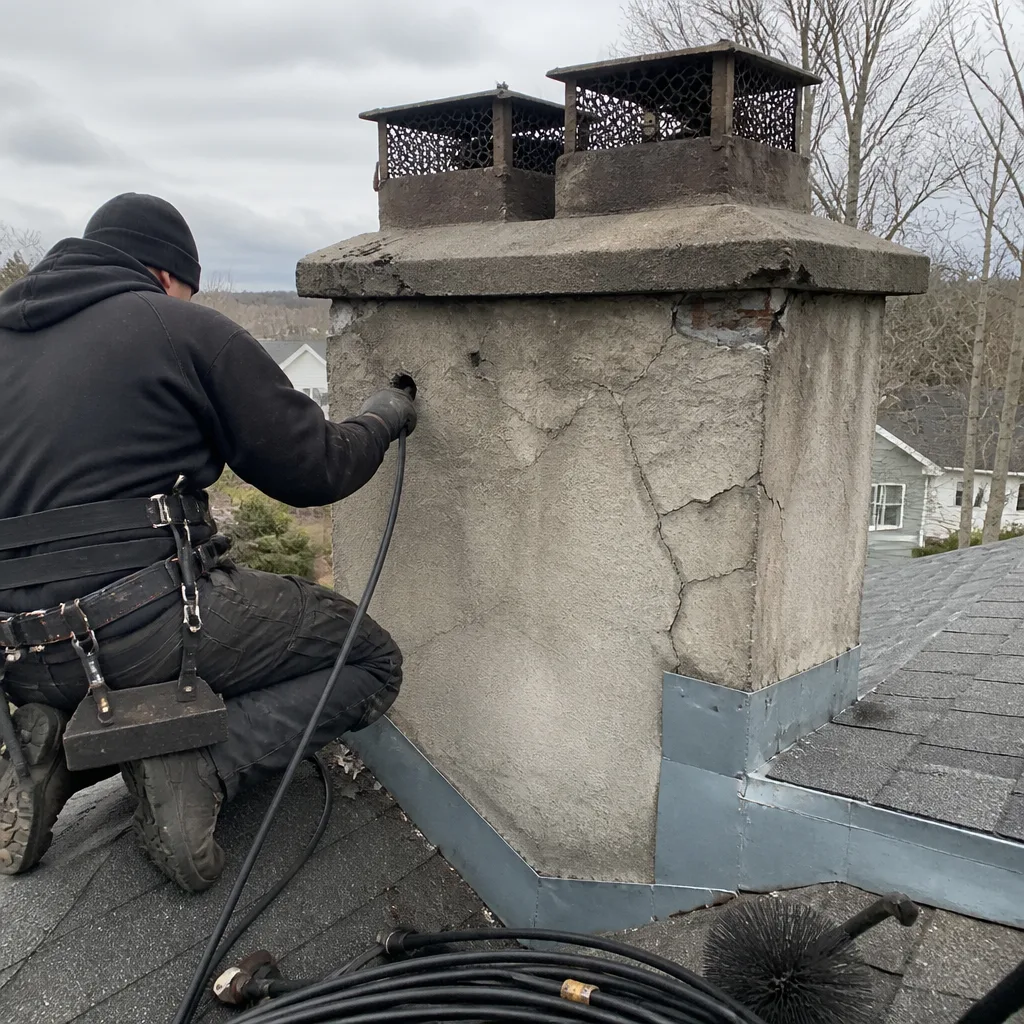 Before
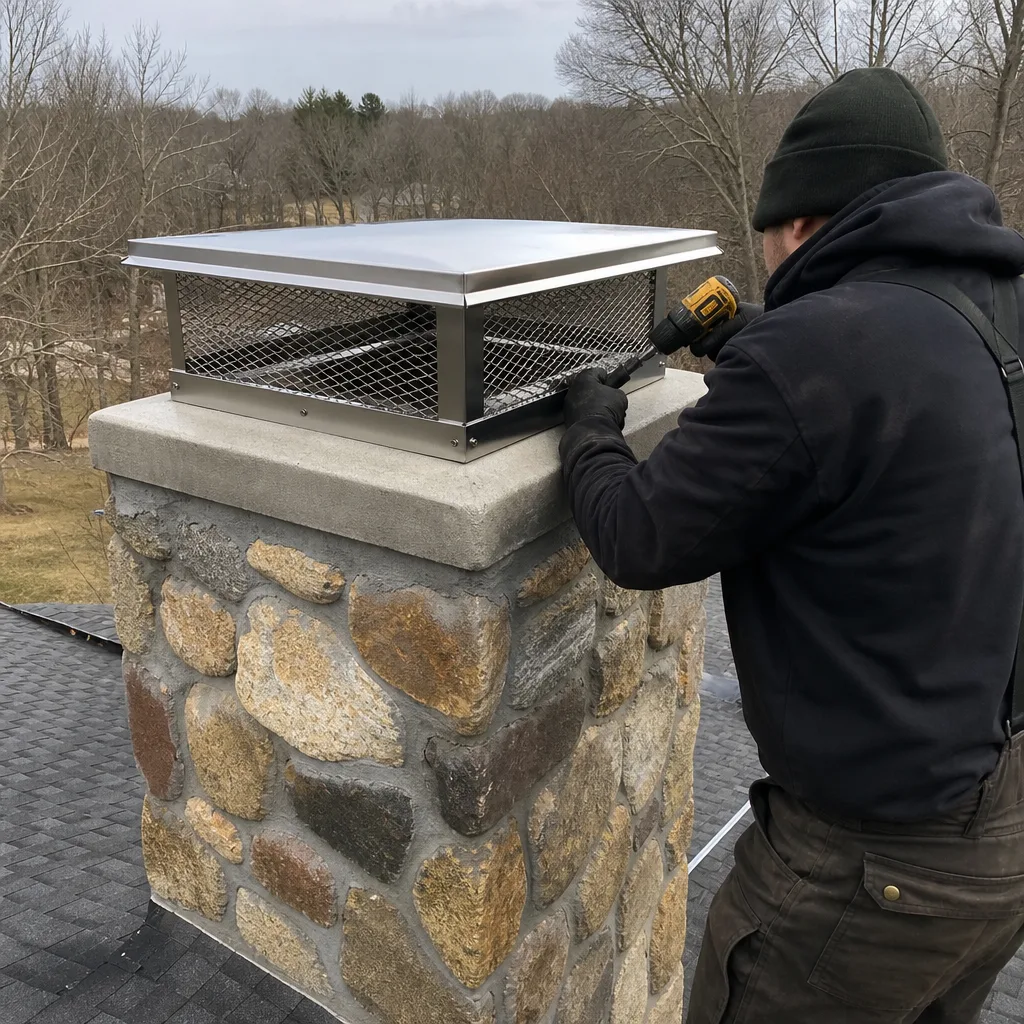 After
After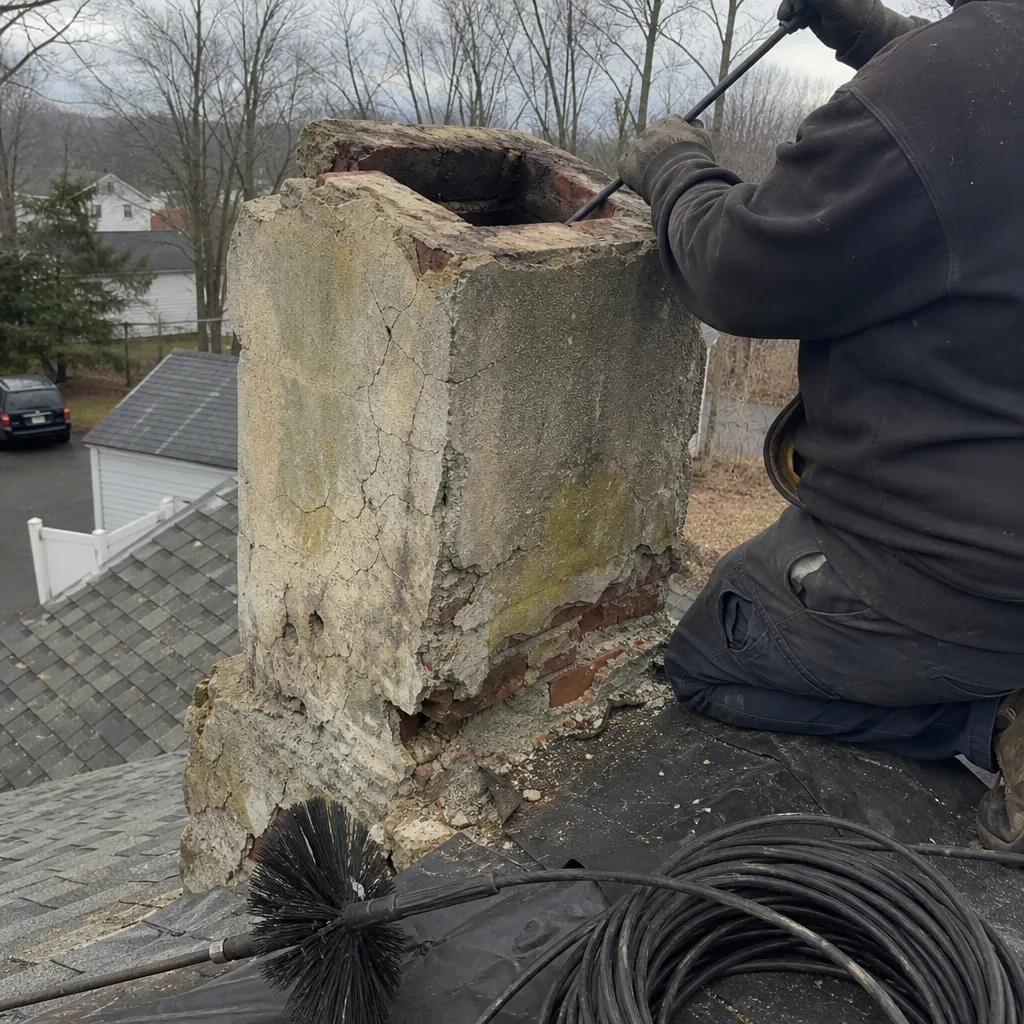 Before
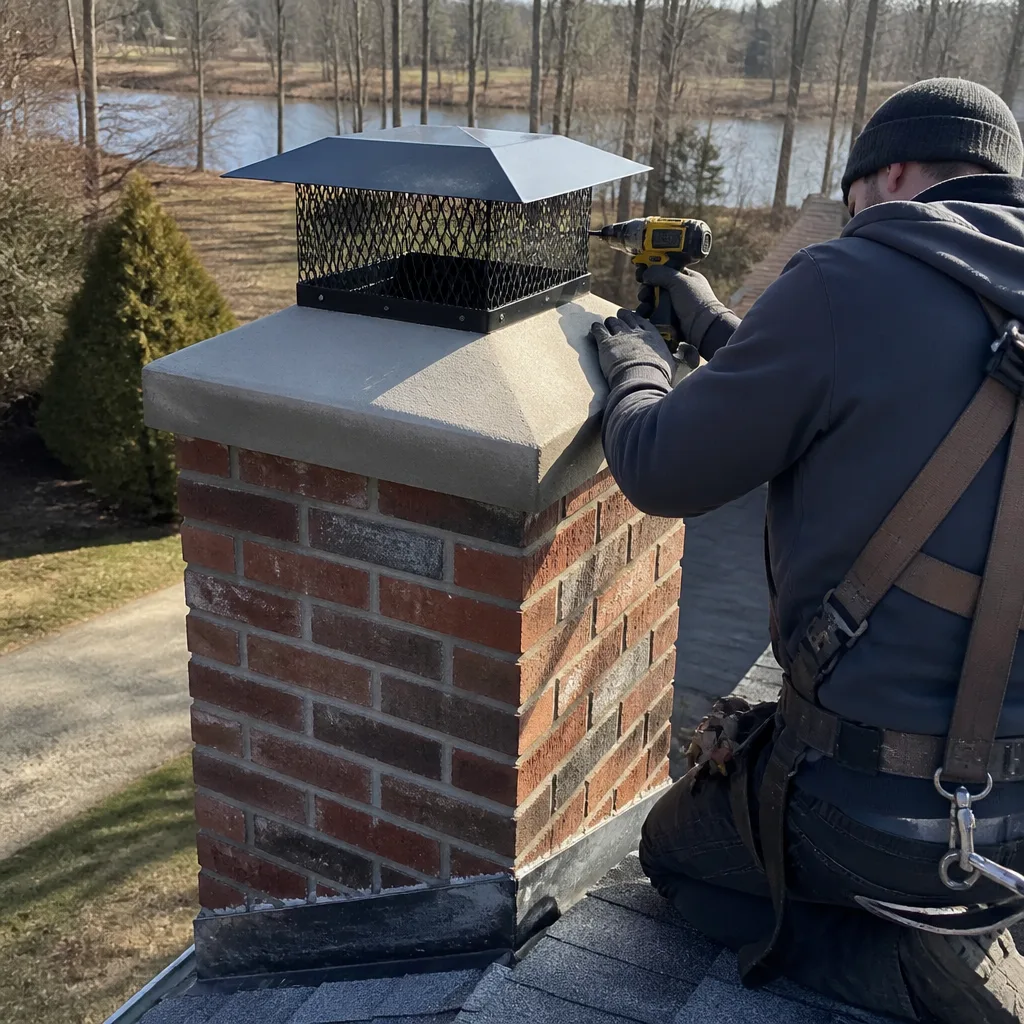 After
After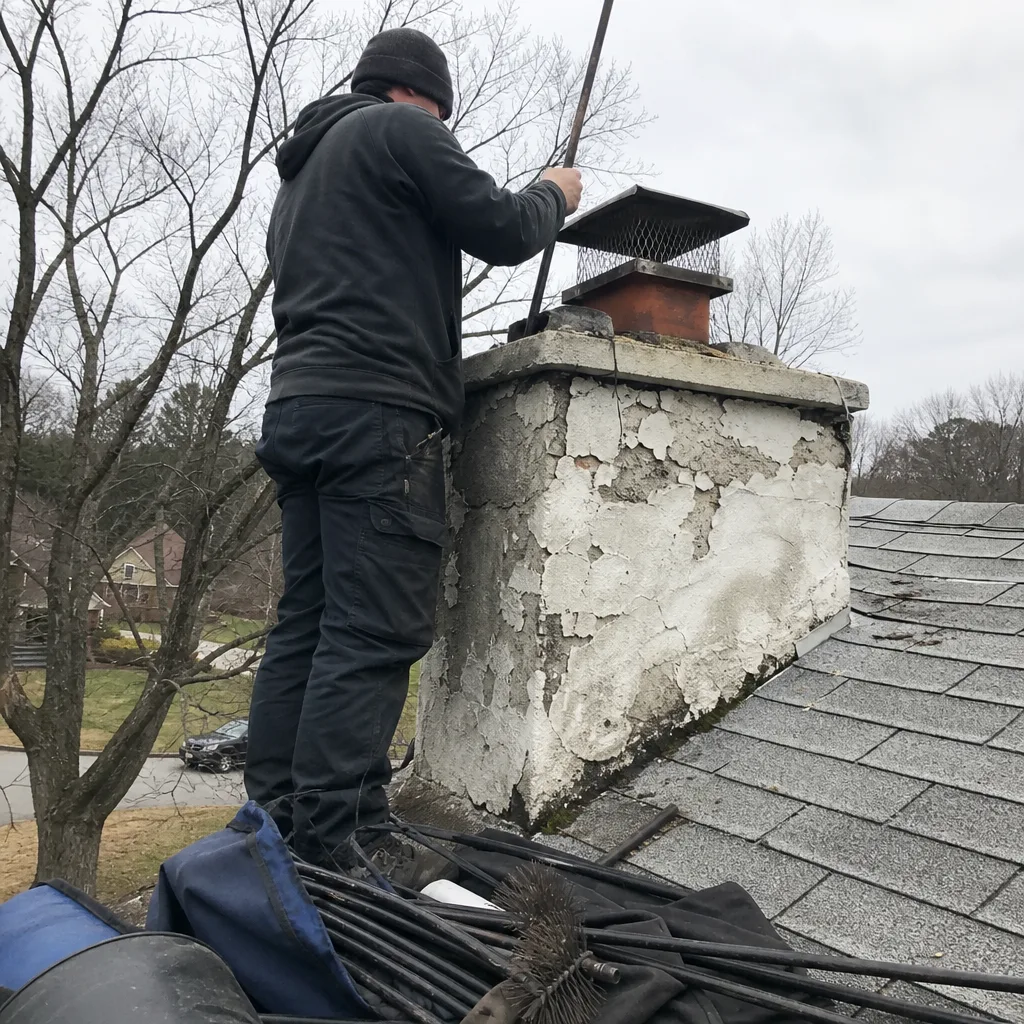 Before
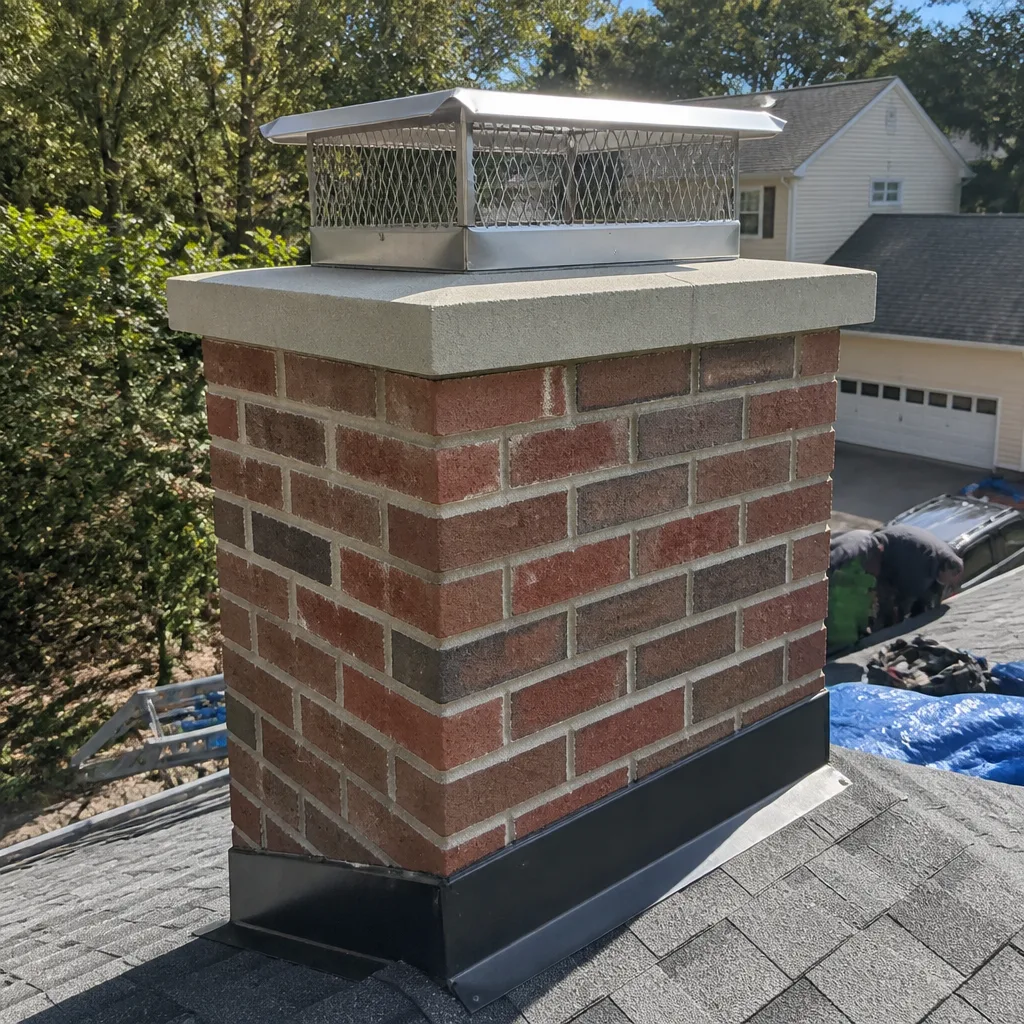 After
AfterChimney Cleaning Warning Signs: A Waterford Homeowner’s Reference Guide
A fireplace that smells like a campfire on a windy day isn’t telling you it needs cleaning. It’s telling you the draft is reversed, which is a different problem with a different fix, and cleaning won’t solve it. Most warning sign lists just recite symptoms without explaining what’s happening inside the flue. This guide works backwards from what you see, smell, or hear to what’s likely going on, so you’ll know whether to pick up the phone today or put it on next month’s list. For more guides & resources, visit our blog. We’ve swept chimneys in Waterford since 1999, and we’ve learned that homeowners here deserve the reason, not just the rule.
Quick Answer
The clearest warning signs that a chimney needs attention in Waterford are a strong campfire smell when the fireplace isn’t in use, black flaky or shiny tar-like deposits visible inside the firebox, white staining on the exterior brick, animals or debris sounds coming from the flue, and smoke backing up into the room. If you notice smoke in the house or a strong odor on humid days, stop using the fireplace and call a sweep. If you only see light soot or hear occasional wind noise, a routine chimney cleaning and sweep in Waterford will likely handle it.
Table of Contents
- The Smell Test: What Your Nose Is Telling You
- What You See: Creosote, Soot, and Staining
- What You Hear: Wind, Animals, and Dripping
- Smoke Backups and Draft Problems
- Moisture Damage: Efflorescence and Interior Stains
- Damper Problems vs. Flue Obstructions
- Keep Using vs. Stop Using: A Practical Guide
- Common Mistakes to Avoid
- When to Call a Professional
- Frequently Asked Questions
The Smell Test: What Your Nose Is Telling You
Chimney odors are the most common reason Waterford homeowners call us, and the smell itself usually points to the cause. A campfire smell on a warm or humid day is creosote absorbing moisture from the air. Creosote is the tar-like byproduct of wood combustion that coats the inside of your flue. When humidity rises, which happens often in Waterford given our proximity to Long Island Sound, that coating swells and off-gasses. The fix is mechanical cleaning, not an air freshener.
A sharp, acrid smell that appears when the fireplace has not been used in weeks is different. That’s often a downdraft carrying creosote vapors back into the house. The flue is acting like a straw, pulling air down instead of letting it rise. Cleaning helps, but the real fix is usually a chimney cap, a taller flue liner, or both. We install caps and liners from Olympia Chimney and DuraFlex, and in Waterford’s variable coastal winds, a properly sized cap makes a measurable difference.
A musty or earthy smell is moisture and organic debris, often from leaves, twigs, or an animal nest that has gotten wet. That’s a different issue from creosote and needs to be cleared before you burn again. In our experience, homes near Waterford’s wooded lots, out toward Quaker Hill and the Oswegatchie Hills, see more animal nests simply because the trees are closer to the roofline.
What You See: Creosote, Soot, and Staining
Grab a flashlight and look up inside your firebox. What you see tells you the stage of the problem.
- Light gray or brown fluffy soot: This is normal after a season of burning, but it still needs swept. Soot is insulative. It reduces draft and encourages creosote to form on top of it.
- Black flaky deposits (first-degree creosote): A brush job. This is the stage every chimney reaches with regular use. Once a year, burn or no burn.
- Shiny, tar-like glaze (third-degree creosote): This is the dangerous stage. It’s concentrated fuel, and it’s hard to remove without chemical treatment or rotary tools. First-degree creosote is a brush job. Third-degree is a glaze, and you want it caught early.
- White or gray staining on exterior brick: That’s efflorescence, and it’s a moisture signal, not dirt. We’ll cover it in a section of its own below.
- Rust streaks running down the face of the chimney: Water is getting into the flue and rusting the damper, the firebox, or the liner. In Waterford, winter freeze-thaw cycles accelerate this. The rust itself is cosmetic. The water entry behind it is structural.
If you see shiny creosote, that’s a chimney repair in Waterford job, not just a sweep. Glazed creosote often hides cracks in the flue liner, and a standard brush won’t take it off. Wendell and his crew use rotary cleaning heads and chemical treatments when a flue reaches that stage.
What You Hear: Wind, Animals, and Dripping
Chimneys make noise, and most of it means something. Here’s a translation.
Whistling or howling on windy days: The flue is resonating, like blowing across a bottle. It’s usually harmless, but it often means the flue is oversized for the fireplace or the cap is missing. An oversized flue cools smoke too quickly, which increases creosote formation. A capped, properly sized liner from Famco or DuraFlex reduces both the noise and the buildup.
Scratching, fluttering, or chirping: You have a tenant. In Waterford, it’s usually starlings, squirrels, or raccoons. Starlings and squirrels are a sweep job: remove the nest, install a cap with a proper mesh screen, done. Raccoons are mean and will defend a nest. Do not open the damper to “check.” Call a professional. We’ve been bitten through work gloves, and you don’t want that.
Dripping water during rain: The chimney crown is cracked, the flashing has pulled away from the roofline, or the cap is missing entirely. Water follows the flue liner down, hits the smoke shelf, and drips into the firebox. Left alone, it soaks the masonry, rusts the damper, and rots the framing around the chimney. In Waterford’s coastal rainfall, this is a call-today issue, not a wait-for-next-month issue.
Metal ticking after a fire: That’s just the flue liner expanding and contracting with heat. Normal. If it becomes a loud crack, that’s different and worth an inspection.
Smoke Backups and Draft Problems
Smoke in the living room is the warning sign that gets everyone’s attention, but the cause isn’t always what the big chain companies assume. Here’s the view from inside the flue.
The flue is cold. A cold flue has no upward draw. When you light a fire, the smoke lingers at the top of the firebox and spills into the room. Cracking a window in the room sometimes helps, but the real fix is preheating the flue by lighting a rolled newspaper and holding it up near the damper for a minute before the main fire. In Waterford winters, this is normal on the first fire of the season.
Something is blocking the flue. A nest, a dead bird, ten pounds of creosote that broke free from the liner. The smoke has nowhere to go but back. You cannot diagnose this without looking, and looking means a camera inspection. We use a camera on every service call and show the homeowner the footage. Your flue doesn’t care how the fire looks. It cares how it breathes.
The damper is not fully open, or it’s rusted shut. Homeowners sometimes forget which position is open. If the handle is pulled all the way toward you and the smoke still spills, the damper may be warped from years of heat and moisture.
The chimney is too short or blocked by nearby trees or a roofline. Wind coming over the peak of the roof curls down into the chimney and reverses the draft. This is common on Waterford homes built into hillsides, where the chimney sits below the ridgeline. A taller flue liner or a draft-inducing cap fixes it.
Moisture Damage: Efflorescence and Interior Stains
White staining on the outside of a brick chimney is efflorescence. It’s not mold, and it’s not dirt. It’s salt. Water seeps through the mortar or the brick, dissolves naturally occurring salts inside the masonry, carries them to the surface, and evaporates, leaving the salt behind. The white patch is just salt on brick. The water movement behind it is the problem.
Waterford homes within a mile or two of the Sound see more efflorescence for a simple reason: more moisture in the air, more rain, and more freeze-thaw cycles in the winter. A brick that stays damp freezes, thaws, and spalls, which means the face of the brick pops off. Once spalling starts, the chimney leaks more, and the cycle accelerates.
Inside the house, moisture damage looks different. Brown stains on the ceiling near the chimney are roof flashing leaks. Water-darkened brick inside the firebox is usually a cracked crown or a missing cap. White crusty deposits on the interior flue tile are the same efflorescence, just on the inside, and they mean the liner is taking on water.
Moisture problems and creosote problems live together. A damp flue makes creosote stickier and faster-forming. Fixing the water entry first makes the cleaning last longer. We have been doing chimney repair in Waterford long enough to know that a dry chimney is a clean chimney.
Damper Problems vs. Flue Obstructions
Before calling anyone, you can tell the difference between a damper problem and a flue obstruction from inside your house. It takes two minutes.
- Open the damper fully and shine a flashlight up. If you can see daylight at the top of the flue and the walls look clean, the damper is likely the issue, not a blockage.
- Listen at the firebox on a windy day. A clean, unobstructed flue will produce a low, even rush. A rattling or flapping sound is a damper that’s come loose from its hinge, which is common on older Waterford homes built in the 50s and 60s.
- Try closing the damper and opening it again. If the handle feels gritty or won’t stay in position, the mechanism is worn or rusted. A damper that won’t stay open is a safety issue, not just a nuisance, because it traps smoke in the flue.
- Look for debris in the firebox. Twigs, leaves, or black flakes that fall when the wind blows mean something is loose in the flue. That’s an obstruction above the damper waiting to fall, and it needs a sweep before you burn.
The camera footage and a plain-English verdict, every time, no exceptions. That’s how we handle damper questions, and it’s the only way to know for certain what’s happening above the smoke shelf.
Keep Using vs. Stop Using: A Practical Guide
Here’s the honest breakdown, because not every warning sign means you should cancel Saturday’s fire.
Keep using the fireplace and schedule a sweep soon:
- Light soot buildup visible in the firebox only
- Campfire smell that’s mild and only noticeable when you’re close to the fireplace
- Whistling wind noise with no other symptoms
- A damper that’s a little stiff but stays where you put it
- Small white patches of efflorescence on exterior brick that haven’t spread
These are maintenance issues. Book a sweep and a fireplace service in Waterford within the next few weeks. Don’t burn green wood in the meantime, and don’t burn anything other than seasoned hardwood.
Stop using the fireplace and call today:
- Smoke backing up into the room, even occasionally
- A strong campfire smell that gets worse on damp or windy days and fills the living room
- Shiny, tar-like creosote visible anywhere in the flue or firebox
- Animal sounds coming from the chimney
- Dripping water after rain
- Rust streaks running down the face of the chimne
The line is simple. Anything that means smoke, water, or an animal is in the wrong place is a stop-and-call situation. Everything else can wait a few weeks. We have swept enough flues in Waterford to tell you that catching glazed creosote early is a brush job, and catching it late is a liner job.
Common Mistakes to Avoid
- Burning a “creosote sweeping log” and calling it a cleaning. Those logs soften first-degree creosote so a brush can remove it. They do not clean a chimney, and on a glazed flue they do almost nothing. You still need a sweep.
- Painting over efflorescence. Sealing the surface traps water inside the brick and makes spalling worse. The fix is correcting the water entry and repointing the damaged mortar, not hiding the symptom.
- Ignoring a campfire smell because “it’s always done that.” A flue that off-gasses creosote into your living space is a carbon monoxide risk. The smell is the warning. Listen to it.
- Assuming the damper is the problem. In our experience, maybe half the draft complaints in Waterford are actually animal nests or creosote blockages above the damper. Let the camera tell you.
- Waiting until fall to schedule. October is the busiest month of the year for every sweep in southeastern Connecticut. Book in August, and you’ll get the date you want. Once a year, burn or no burn. Chimneys break in the off-season too.
- Hiring on price alone. The national chains that quote one price on the phone and another at the door thrive on homeowners who shop by the lowest number. Ask anyone on your street. The local sweep with a published name and a 90-Day Done Right Promise is the one who’ll still be here next year.
When to Call a Professional
Call a sweep if you see shiny creosote, if smoke backs into the room, if you hear animals, if water drips after rain, or if the campfire smell has become strong enough that guests mention it. Not sure who to trust? Read How to Hire a Chimney Cleaning Contractor in Waterford: A Step-by-Step Guide. Call too if it’s been more than a year since the last cleaning, even if everything looks fine. Most fire hazards in flues are invisible from the hearth.
If a chimney was recently inspected and another company handed you a written estimate, bring it up when you call. We give a free second opinion on any competing written estimate, and we’ll tell you plainly if the work doesn’t need doing. Top Hat Chimney offers free estimates in Waterford. Call (860) 390-4899 and Wendell or one of his crew will talk you through what you’re seeing.
Frequently Asked Questions
A standard chimney cleaning and inspection in Waterford typically runs between $189 and $329, depending on the size of the flue, the amount of buildup, and whether it’s a single flue or a multi-flue chimney. If the chimney has glazed creosote or requires an animal removal, the price rises because the job takes longer and needs specialized tools. Call (860) 390-4899 for an exact quote before anyone comes out. The number Wendy gives you on the phone is the number on the invoice.
Once a year if you burn more than a cord of wood a season, and every other year at minimum if you only light fires occasionally. Even if you never burn, an annual inspection matters because chimneys crack, leak, and collect animals in the off-season too. The Chimney Safety Institute of America recommends an inspection every year, burn or no burn.
No. A campfire smell on humid or windy days usually means creosote is present, but the immediate cause is often a draft reversal or a missing cap pulling vapors back into the house. Cleaning reduces the odor at the source, and a properly sized cap stops the reversal. If the smell is musty rather than smoky, it’s organic debris or trapped moisture, which a sweep will clear anyway.
You only need a new liner if the existing flue tile is cracked, spalling, or no longer safely containing smoke and heat. A camera inspection shows this in three minutes. If the liner is sound, a cleaning is enough. We never recommend liner work without camera footage you can see for yourself, and we’ll tell you plainly when the old liner has years left in it. HeatShield resurfacing is an option we install when the liner is damaged but the structure is still sound.
Creosote builds up in layers. A flue that was a quick brush job in March becomes a glazed, tarry coat by December, and glazed creosote is fuel. It can ignite at around 2,000 degrees and turn a small firebox fire into a chimney fire that sends flames up the side of your house. Skipping a year also lets water and animals in through a crown that was already starting to crack. The second year almost always costs more than the first would have.
Yes. Many of the chimneys we service in Waterford were built in the 1950s and 60s, with terracotta tile liners that have been through sixty New England winters. We repoint mortar, rebuild crowns, install stainless liners from DuraFlex and Copperfield, and run a camera through every flue before recommending any repair. If the masonry is original and sound, we’ll say so and tell you what’s left to fix, nothing more.
The Bottom Line
Most chimney warning signs point to one of four root causes: creosote buildup, draft reversal, water entry, or animal intrusion. The sign alone doesn’t tell you which one you have. Smell, sight, and sound together give you the answer. Shiny creosote, smoke in the room, dripping water, and animal sounds are stop-and-call issues. Light soot, mild odor, and wind noise can wait for a scheduled sweep. When you want a straight answer, call (860) 390-4899. Wendell has been inside more Waterford flues than he can count, and he’ll tell you when the job does not need doing.
Written by Wendell Pike, Owner at Top Hat Chimney, serving Waterford since 1999.