
Last updated September 10, 2026
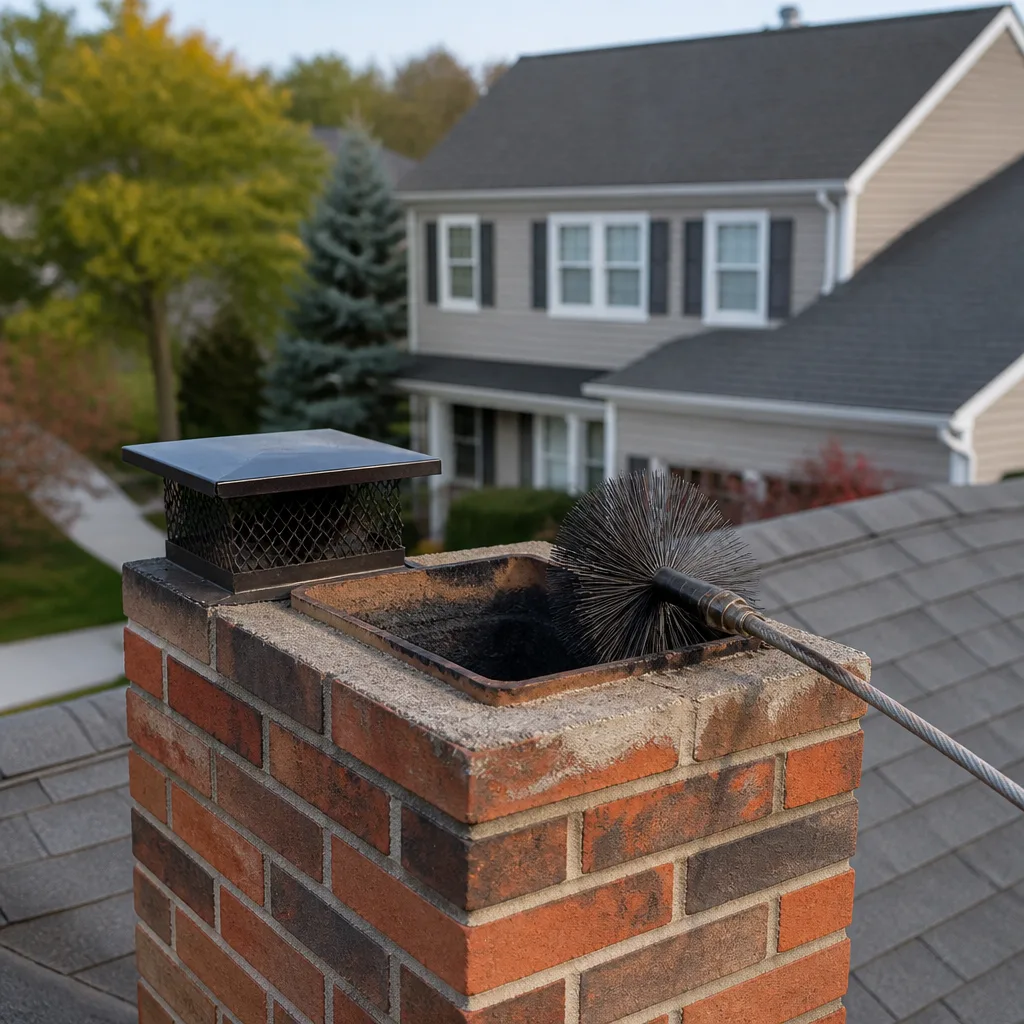
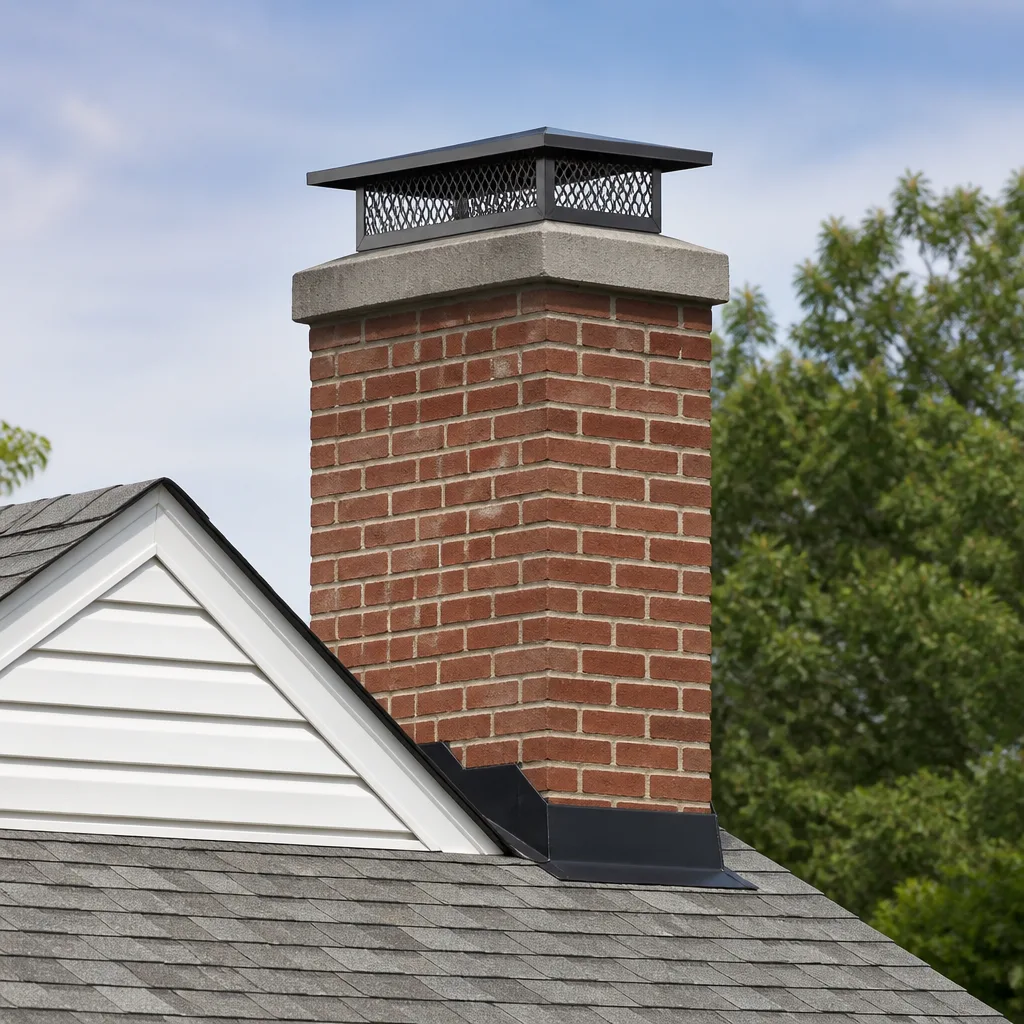
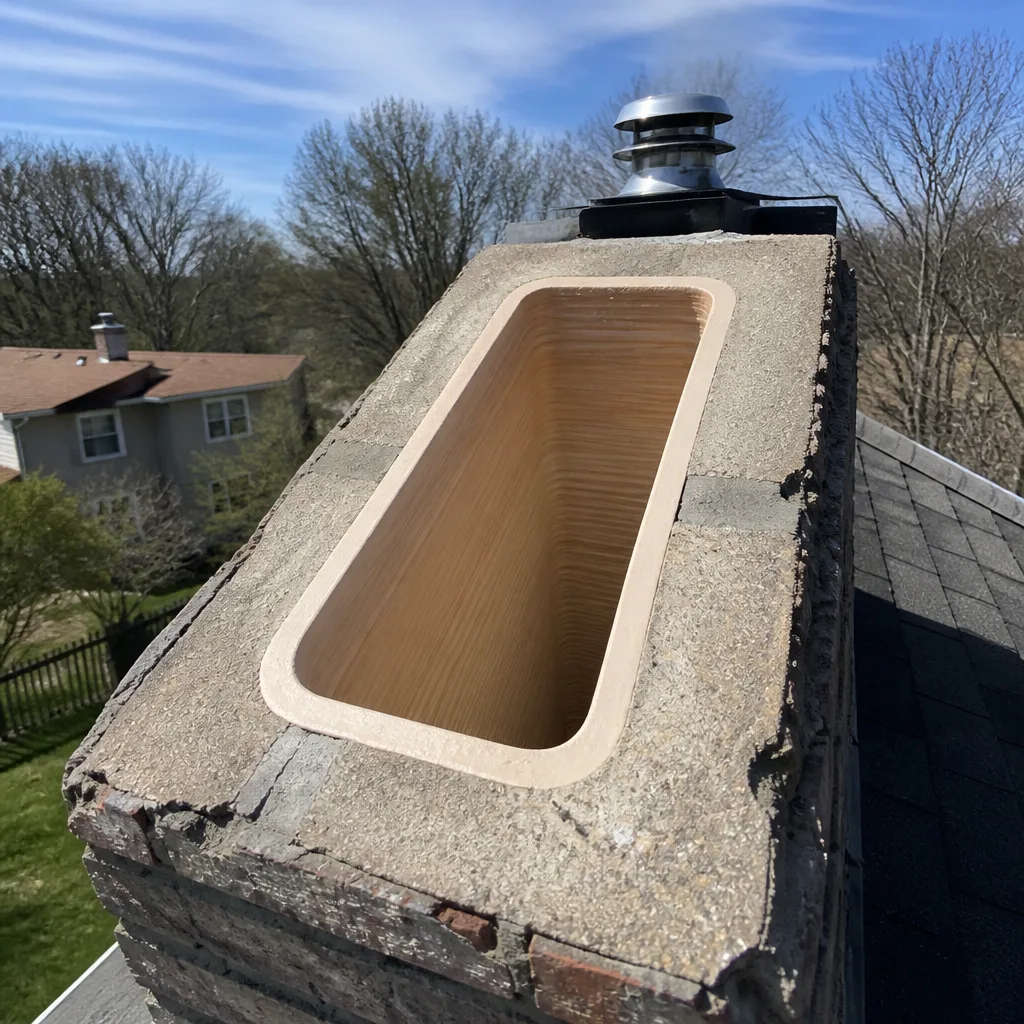
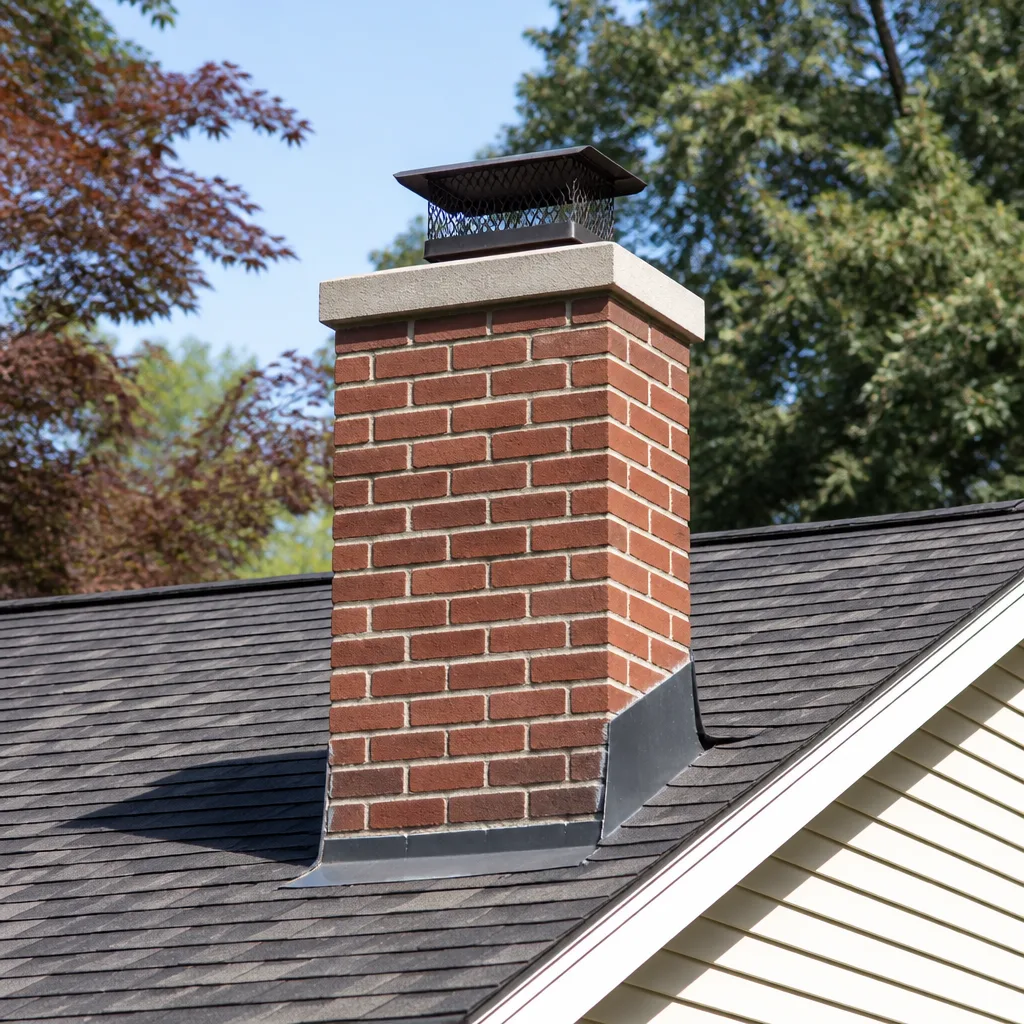
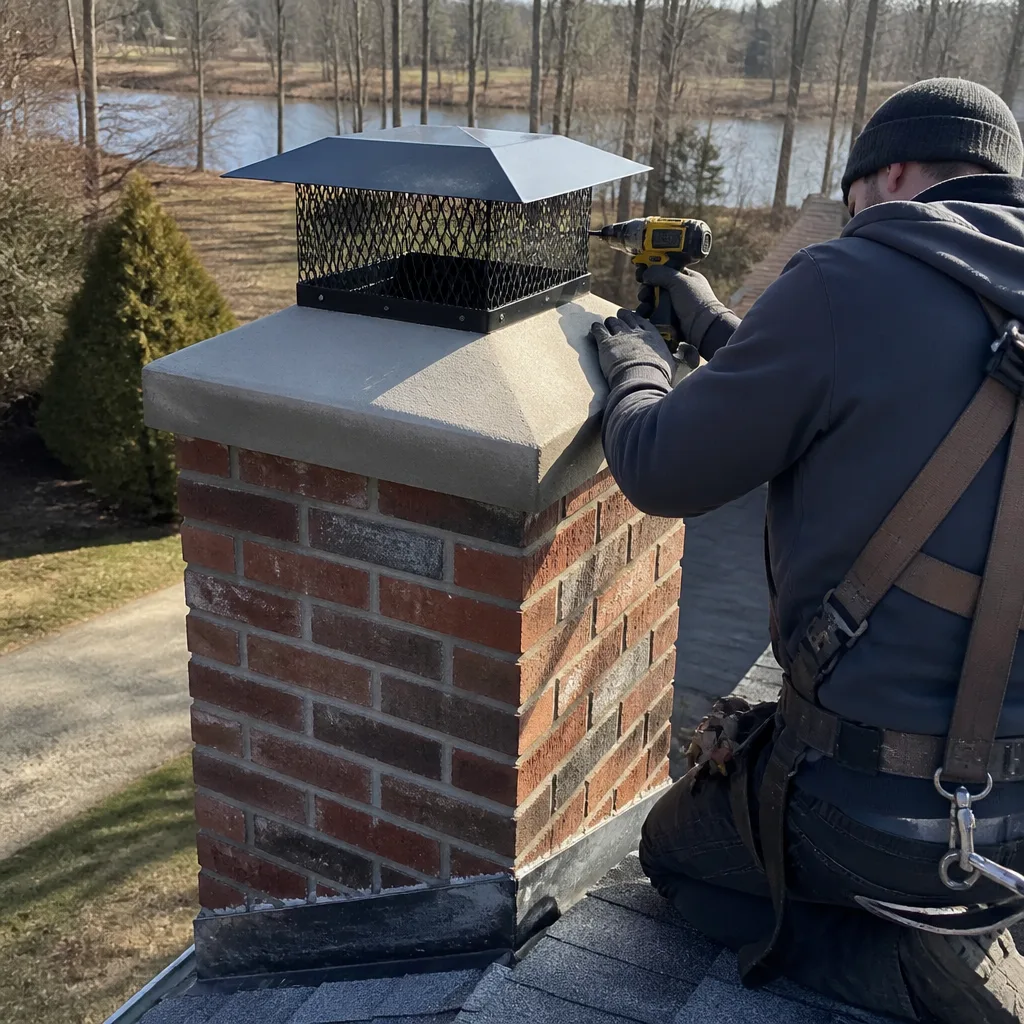
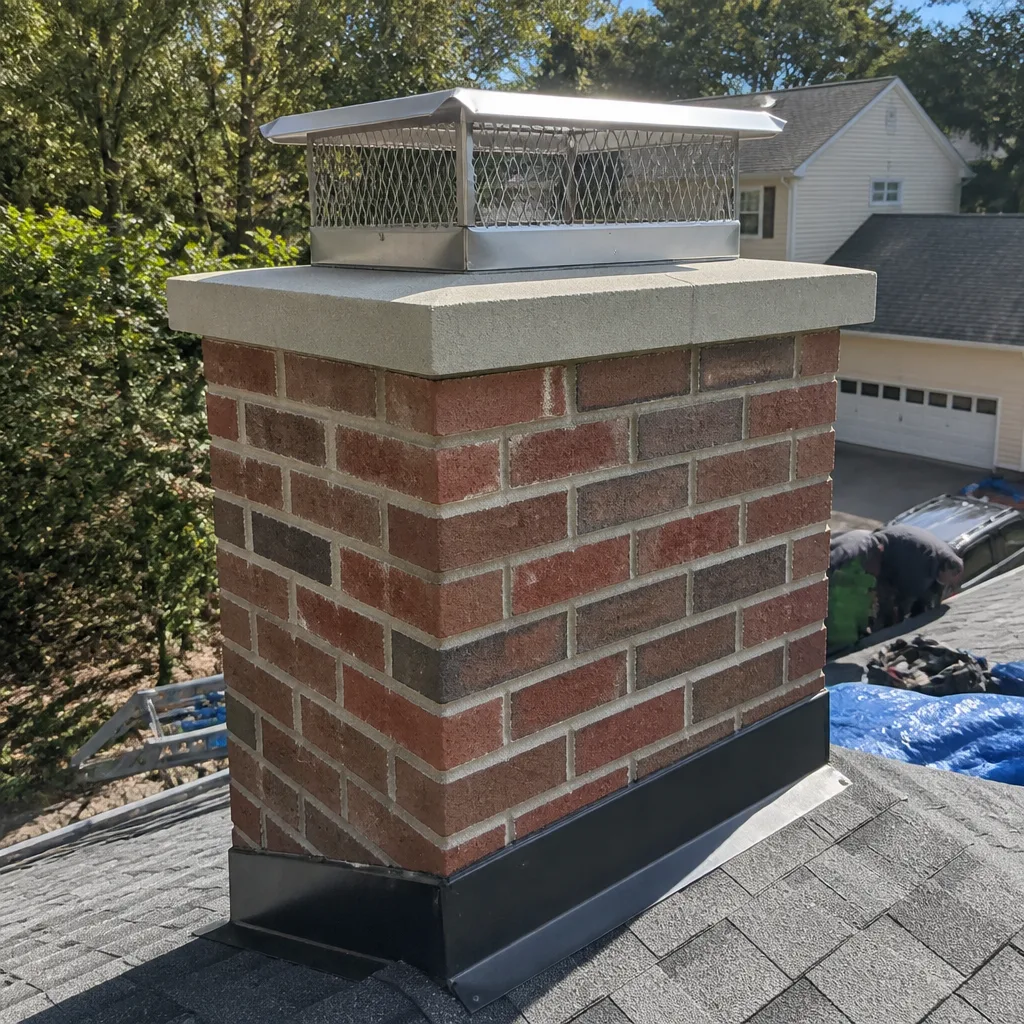
Level 1 sweep and inspection to the NFPA 211 annual standard - flue, crown, cap, and flashing checked and photographed
Chimney sweep logs do not sweep chimneys. They loosen some creosote - which then falls where a brush and vacuum still have to collect it.
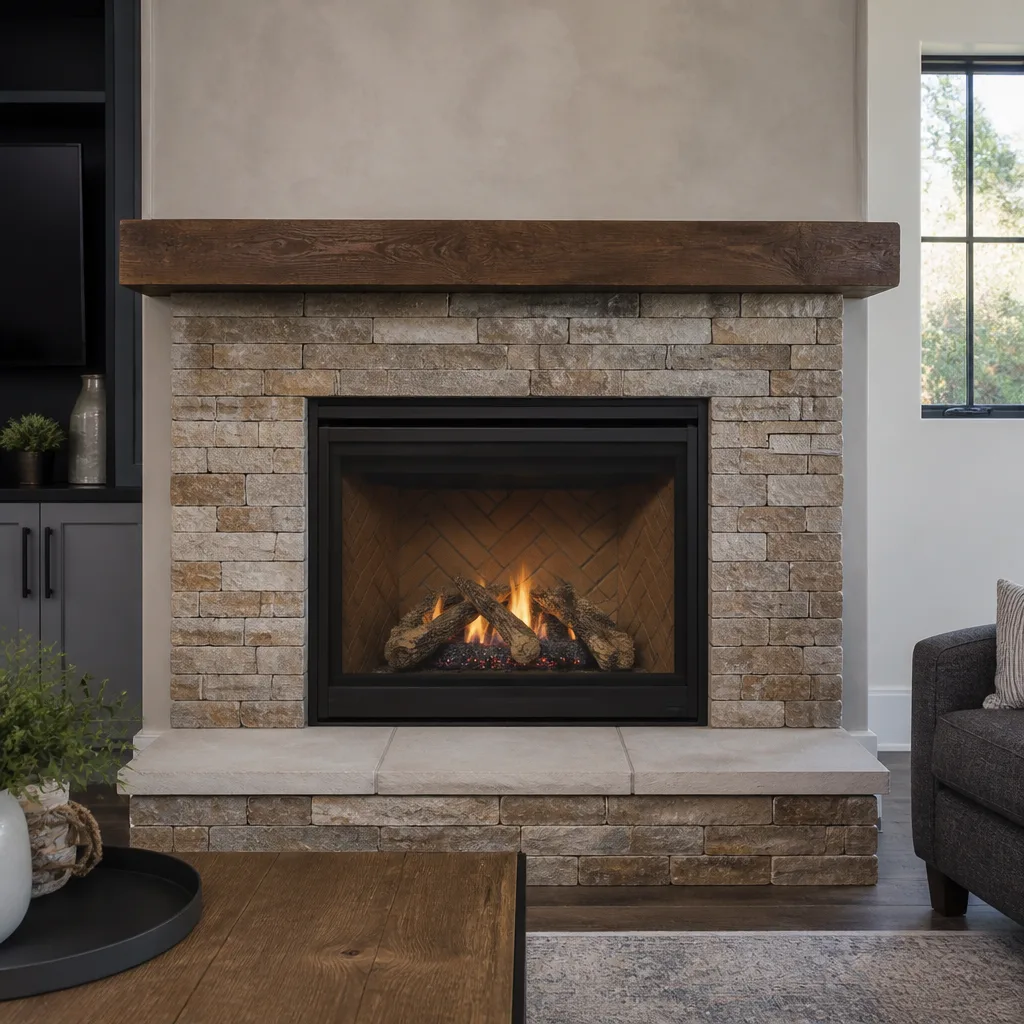
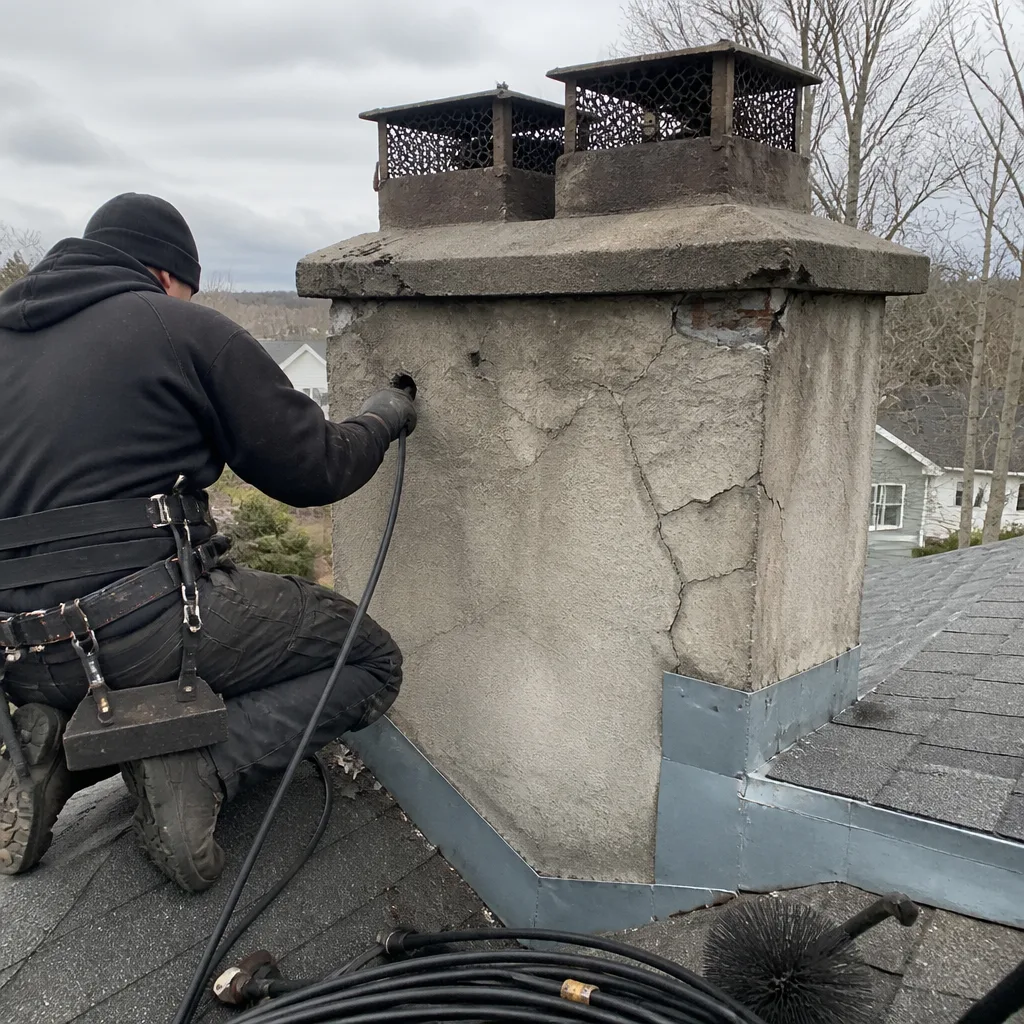 Before
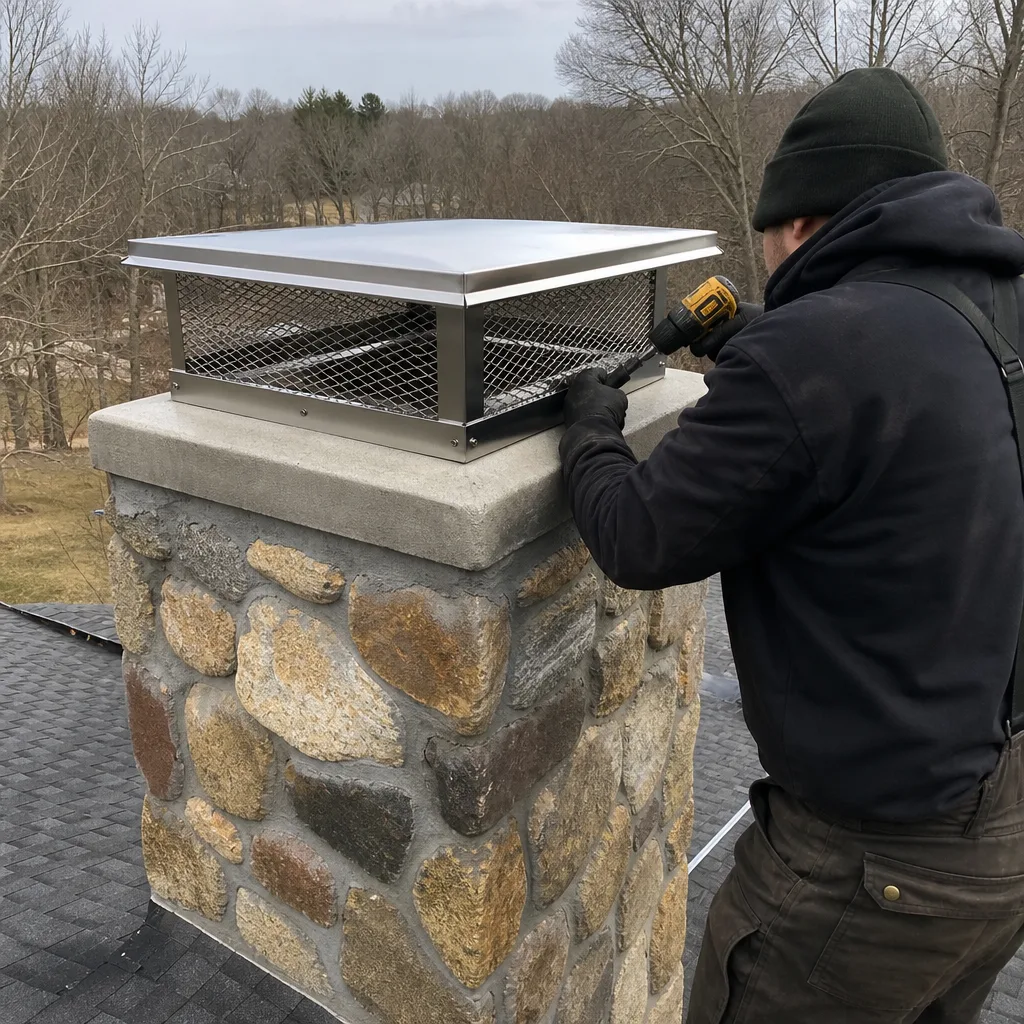 After
After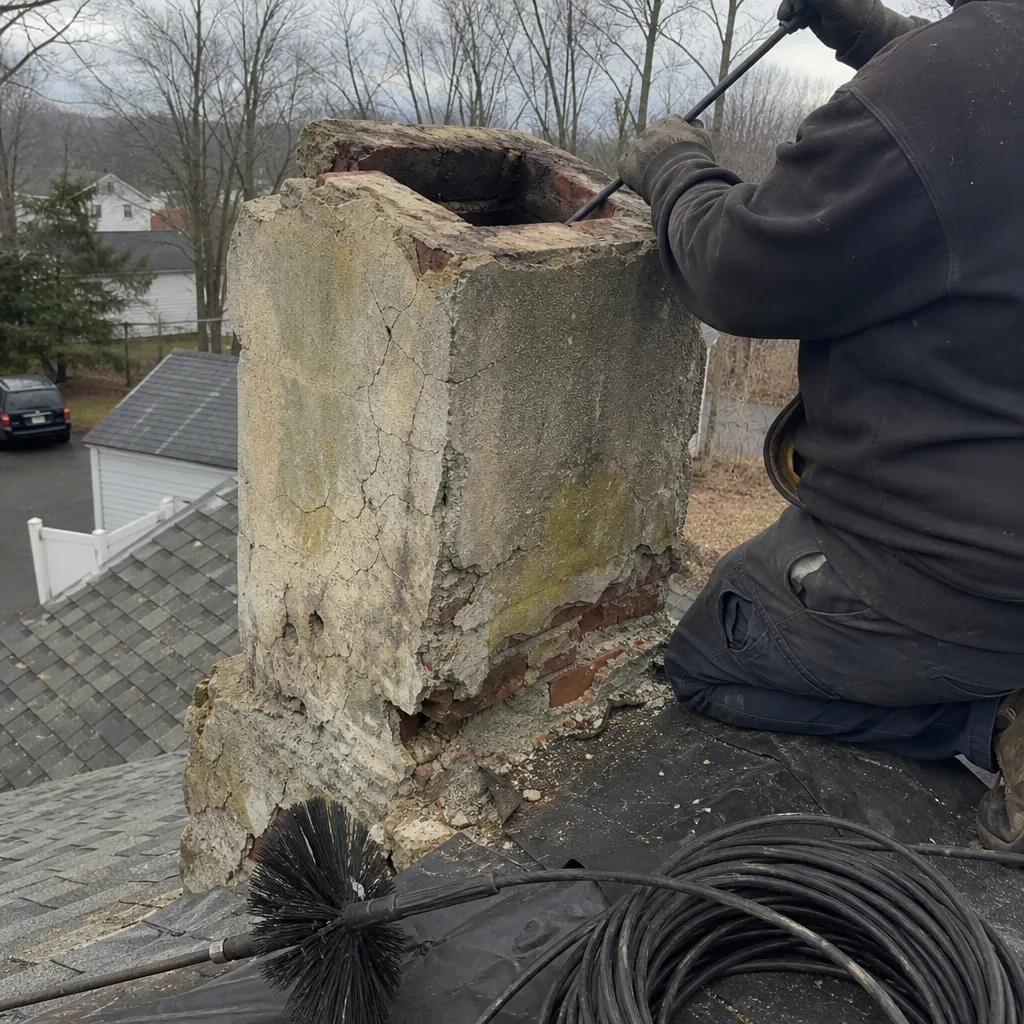 Before
 After
After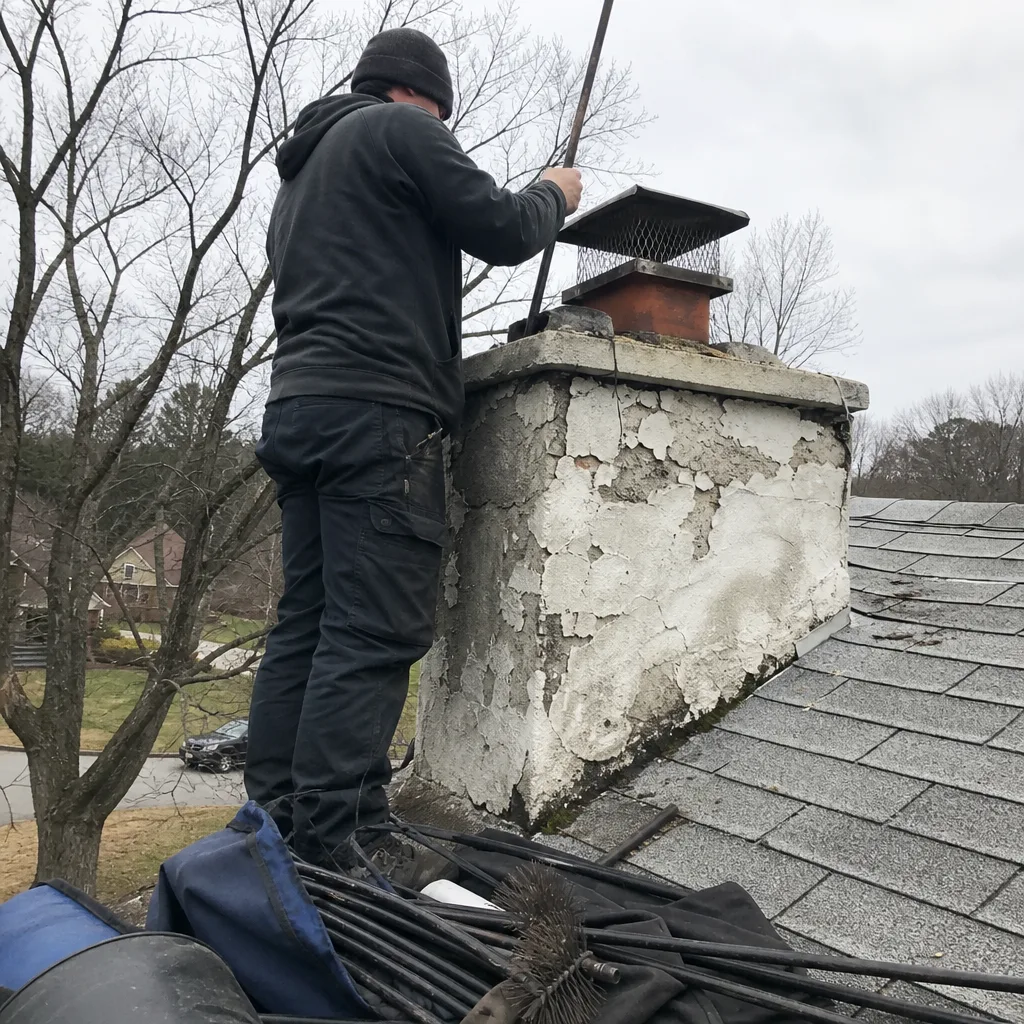 Before
 After
AfterDIY vs Professional Chimney Cleaning: The Waterford Homeowner’s Decision Guide
Most Waterford homeowners don’t realize their chimney has a shape until they’re halfway up a ladder with a brush that won’t go around the bend. You can absolutely clean a straight, single-story flue with a hardware store kit and a free afternoon. The catch is knowing whether your flue is actually straight before you start, and most people find out the hard way. This guide walks through what DIY chimney cleaning really involves, where it makes sense, and where it quietly becomes a liability. For more guides & resources, visit our blog. By the end, you’ll know which side of the line your chimney falls on, and exactly what a professional sweep in Waterford sees that a brush and mirror can’t.
Quick Answer
DIY chimney cleaning is a reasonable choice only when you have a single-story, straight clay-tile flue with light first-degree creosote, a cleanout door you can reach safely, and no gas appliances venting through the same chimney. For anything else – offset flues, stage two or three creosote, post-storm damage, older masonry, or any setup involving gas appliance venting – skip the kit and hire a professional. The cleaning itself only solves part of the problem. A professional inspection catches what’s happening behind the creosote.
Table of Contents
- The Honest Equipment List: What It Actually Takes
- When DIY Makes Sense: The Waterford Chimney That Passes the Test
- When DIY Becomes Risky: The Chimney Conditions That Need a Pro
- What a Professional Sees That You Can’t: The Camera Question
- The Cost-Benefit Math: What DIY Saves, What It Misses
- Waterford-Specific Factors: Weather, Fuel, and Code
- Common Mistakes to Avoid
- When to Call a Professional
- Frequently Asked Questions
- The Bottom Line
The Honest Equipment List: What It Actually Takes
Hardware store chimney kits promise a lot with a round wire brush and three fiberglass rods. The kit ad shows one person, one ladder, one hour. The real version involves more. We’ve been inside enough Waterford chimneys to know what the honest setup looks like, whether you do it yourself or call Top Hat Chimney home.
For a basic top-down cleaning on a straight flue, you need:
- A properly sized wire brush – not the universal size that comes in the kit. A brush that’s too small won’t scrape the creosote; too large and it jams. Chimney flues are sized specifically, and the brush has to match.
- At least four to six fiberglass rods – not the two or three most kits include. A single-story chimney from the roof usually needs 12 to 20 feet of rod. You’ll feel every joint flex under you.
- A ladder that reaches the roofline safely – not the step ladder in the garage. In Waterford, many chimneys rise 25 to 30 feet on colonial and cape-style homes. An extension ladder that doesn’t reach or won’t lock is a fall waiting to happen.
- Drop cloths and a shop vacuum with a fine-dust filter – creosote dust is fine, sticky, and gets everywhere. A standard shop vac filter will blow it right back into the room.
- Eye protection and an N95 or P100 mask – creosote dust is not something you want in your lungs or eyes. It’s acidic and irritating.
- A helper – someone on the ground to hand you tools, steady the ladder, and be there if something goes wrong. This is not a solo job on a roof.
- A flashlight and inspection mirror – you need to see what you’re doing and check your work. A phone camera doesn’t fit around the offset.
Time-wise, a first-timer in Waterford should plan half a day: 45 minutes to set up safely, two hours to clean from the roof properly, another hour to clean up the mess in the house. The best-case scenario runs about $100 to $150 in equipment and four hours of your day. And that’s only if the flue cooperates. If the brush stops moving because of an offset, that’s the moment most people call us, and now they’ve spent the morning on the roof for nothing.
When DIY Makes Sense: The Waterford Chimney That Passes the Test
Let’s be clear-eyed here. DIY chimney cleaning is not dangerous by default. It’s dangerous when the conditions are wrong, and you can’t always tell from the ground. But there are specific situations in Waterford where doing it yourself is a reasonable, even sensible, choice.
Here’s what a DIY-friendly chimney looks like:
- Single-story home, straight flue. You can see the top of the chimney from the driveway, no bends, no offsets. A ranch or small cape in Waterford with a straight clay-tile flue is the best case.
- Clay tile liner in good shape. You’ve had it inspected in the last few years, and the tiles aren’t cracked or shifted. A brushed clay flue cleans up nicely with a wire brush.
- Light, first-degree creosote. You burn seasoned hardwood, your fires are hot and clean, and what’s in the flue looks like fine gray ash, not tar. First-degree creosote is a brush job.
- No gas appliances venting through the same chimney. This is the one people forget. If your furnace or water heater shares the flue, DIY cleaning can knock debris into the gas vent path and create a blockage that bypasses the brush entirely.
- You have safe roof access. A low-pitch roof you can walk comfortably, not a steep slate roof on a second-story colonial in a Waterford historic district.
- The cleanout is accessible. You can reach the bottom of the flue from the fireplace or a cleanout door, and you’re not shoveling from a basement crawlspace.
If all six items check out, an afternoon with a brush kit and a willing helper is a legitimate option. Clean it in the fall before your first fire, and check the flue again in spring if you burned heavily. Plenty of Waterford homeowners do it this way and do it fine. The ones who don’t are the ones we hear from on Monday.
When DIY Becomes Risky: The Chimney Conditions That Need a Pro
Now the other side of it. There are conditions where a wire brush and a helper are not just inadequate but genuinely unsafe. We see these all the time in homes across Waterford, and the homeowner rarely knows until it’s too late.
Stage two and three creosote. First-degree is a brush job. Third-degree is a glaze, hard and shiny like tar, formed from burning unseasoned wood or running too-cool fires. A wire brush won’t remove stage three glaze in one pass, and sometimes won’t remove it at all. A homeowner pushing harder isn’t solving the problem; they’re compacting it. And glazed creosote is the fuel for a chimney fire. This is exactly what a professional sweep in Waterford treats with chemical cleaners and rotary tools that dissolve and strip the glaze safely.
Offset flues. When a chimney changes direction between floors or around a roofline, the flue turns at an angle. Your brush stops at the turn. You can’t see it, you can’t push past it, and you’re left with a partial clean that gives you false confidence. In our experience in Waterford, offset flues are common in older colonials and center-hall layouts, and homeowners discover them by feeling the rod go dead halfway down.
Older masonry. Brick and mortar chimneys built before 1940 in Waterford have decades of freeze-thaw cycles behind them. Water soaks the brick, freezes, expands, and spalled brick starts falling away. A chimney that looks solid from the driveway may be missing mortar joints two-thirds of the way up. We’ve pulled flue tiles out of chimneys in Waterford that were held in by creosote and habit. You do not want to run a brush through that.
Gas appliance venting. If your furnace, boiler, or water heater shares the chimney with your fireplace, the flue serves two jobs. A DIY brush can dislodge debris that falls into the gas vent path, blocking it. A blocked gas vent is a carbon monoxide problem, and that is invisible, odorless, and fatal before you ever know it’s there. We never recommend DIY cleaning on a multi-appliance flue, and we’ll say it plainly every time.
Post-storm conditions. After a hard coastal winter in Waterford, chimneys take a beating. High winds, ice, and snow push water into the crown, and cracked crowns let water into the masonry. If you’ve had a chimney leak, a spalled brick, or a cracked crown after a storm, the flue needs an inspection before it gets a brush. Cleaning a compromised chimney can knock the loose pieces free while you’re inside the house.
If any of these five describe your chimney, the honest recommendation is to skip the brush kit. Call a professional sweep. Chimney Cleaning & Sweep in Waterford is a conversation, not a commitment.
What a Professional Sees That You Can’t: The Camera Question
The single biggest difference between DIY and professional chimney cleaning has nothing to do with the brush. It’s the camera. A professional sweep doesn’t just clean; they inspect, and the inspection is where most homeowner problems actually live.
When a certified sweep does a chimney repair in Waterford, the process includes a camera inspection of the entire flue interior, top to bottom. We run a small, waterproof camera down the flue after cleaning, and the footage shows everything the creosote was hiding.
What the camera catches that a mirror and flashlight can’t:
- Cracked flue tiles. A hairline crack in a clay tile is invisible from the roof, but it’s a gas for carbon monoxide and hot embers. The camera sees it instantly.
- Missing or shifted mortar joints. Gaps between flue tiles let heat and gas escape into the chimney chase. The camera shows exactly where, and how big.
- Separated flue sections at offsets. The place your brush got stuck is often the place the flue has shifted. The camera reveals why.
- Water entry points. Staining, efflorescence, and rusted damper components tell us where water is getting in, usually through a cracked crown or a failed cap.
- Evidence of a past chimney fire. Pocked, sandblasted-looking tile surfaces that we see in Waterford homes all the time. The homeowner had a chimney fire and never knew it.
- Blockages beyond creosote. Bird nests, squirrel debris, leaves, tennis balls, once a child’s action figure. Your flue doesn’t care what falls in. The camera finds it.
This is why the cleaning isn’t the only reason professionals get called. It’s the only reason the service exists at all. A clean chimney with a cracked liner is still a dangerous chimney, and only the camera tells you that. If you’ve been cleaning your own chimney in Waterford for years and never had it camera-inspected, you’ve been flying without instruments.
The Cost-Benefit Math: What DIY Saves, What It Misses
Let’s put actual numbers on this. The cost-benefit question is the real reason homeowners in Waterford hesitate, and it deserves a straight answer. For a detailed look at pricing, see our Chimney Cleaning Cost Breakdown: The Waterford Homeowner’s Reference for 2026.
What DIY actually costs
| Item | Typical Cost |
|---|---|
| Chimney brush kit (rods, brush, basic handle) | $60 – $120 |
| Proper ladder rental or purchase | $40 – $200 |
| N95 or P100 mask, safety glasses, gloves | $25 – $50 |
| Drop cloths, shop vacuum filter | $20 – $40 |
| Total (first time) | $145 – $410 |
| Ongoing (brush replacement, rods, time) | $20 – $40 per year |
A professional chimney sweep in the Waterford area typically runs between $125 and $250 for a standard cleaning with a camera inspection, depending on the appliance. That’s in line with what we’ve charged here for years. The DIY savings on year one: anywhere from negative $160 to about $285, assuming nothing goes wrong. After that, the marginal cost of DIY drops to the cost of a brush and four hours of your Saturday.
What DIY misses that a pro sweep includes
- A camera inspection that catches cracked tiles, water entry, and past chimney fires. A cracked flue tile that goes unseen becomes a $4,000 to $8,000 liner replacement when the warm air comes back on and the carbon monoxide starts backdrafting. The inspection is not an add-on; it’s the part that keeps your house from burning down or filling with gas.
- The creosote chemistry. A wire brush removes first-degree creosote. It won’t remove a third-degree glaze. A pro uses chemical cleaners and rotary tools designed to break down glaze. That matters because glazed creosote is what burns in a chimney fire, burning at over 2,000 degrees Fahrenheit inside your flue.
- The fix while we’re there. When the camera shows a cracked flue tile, a pro can make a recommendation and handle the fireplace services in Waterford needed, from liner repair to crown resurfacing. A DIY clean finds the creosote and stops. A pro cleaning plus inspection finds the creosote, the crack, the water entry, and the rusted damper, and can schedule the repair before the first snow.
- Warranty and recourse. If a DIY chimney fire happens, your insurance company may ask questions about the last time a certified professional inspected the flue. A certified sweep in Waterford documents the job, the findings, and the follow-up recommendations. DIY has no paper trail.
The honest math: DIY saves about $150 to $250 per cleaning once you own the equipment, but it leaves you with a clean chimney and a blindfolded inspection. A professional sweep costs more but catches the $6,000 problem before it becomes a $25,000 claim. Over 10 years, that’s the difference between spending a little more each fall or learning what a chimney fire smells like.
Waterford-Specific Factors: Weather, Fuel, and Code
Every climate writes a different playbook for chimneys. Waterford sits on the Connecticut coast, and that means two things run every conversation we have with homeowners: water and humidity. A chimney in Waterford isn’t just fighting creosote; it’s fighting rain, snow, freeze-thaw cycles, and coastal air that oxidizes everything metal on your roof. For year-round maintenance tips, read our Seasonal Chimney Cleaning Care for Waterford: Year-Round Homeowner’s Guide.
The freeze-thaw cycle. Water gets into a hairline crack in your chimney crown, freezes in a January cold snap, expands, and widens the crack. Repeated 20 years running, and the crown fails. Once the crown fails, water gets into the masonry, and the bricks start spalling. This is the number one reason we see chimney damage in Waterford that has nothing to do with fire. A snowstorm followed by a thaw is a demolition crew in slow motion.
Coastal humidity and rust. Chimney caps, dampers, and flashing all rust here faster than inland. A cap installed 15 years ago in Waterford is often a cap that needs replacing now. When rusted caps fail, birds nest in the flue, and in Waterford we see our share of starlings and squirrels. The camera inspection after a cleaning always checks the cap and damper for corrosion.
What Waterford homeowners burn. Most Waterford homes burn cordwood, and the difference between a safe chimney and a glaze problem comes down to seasoning. Unseasoned wood, common in coastal areas where firewood is stored outside and absorbs moisture, burns cooler and creates more creosote. We tell homeowners in Waterford: burn wood that’s been split and stacked under cover for at least eight months, and your chimney will stay safer between cleanings. Your flue doesn’t care how the fire looks. It cares how it breathes.
Local code and inspection considerations. Waterford follows Connecticut state building and fire codes, which regulate chimney construction, liner requirements, and clearances. Most existing homes in Waterford are grandfathered, but any new chimney work or liner replacement in Waterford must meet current code. That’s true whether you’re working with a local sweep or a company that drove up from the shoreline. A local sweep who knows Waterford’s specific requirements is a real advantage when the inspection report comes up.
Once a year, burn or no burn. Chimneys break in the off-season too. The Waterford climate doesn’t take the summer off from working on your masonry.
Common Mistakes to Avoid
- Cleaning from the bottom in a wood stove without sealing the ash doors. Bottom-up cleaning without a proper drum and sealed cleanout sends creosote dust through the entire house. We’ve cleaned Waterford living rooms after a homeowner tried this, and the fine black dust never fully leaves the sofa.
- Using a brush that’s the wrong size. A brush that’s too small leaves creosote in the corners. Too large jams and either breaks off inside the flue or won’t come back out without a fight. Either way, you’re paying a pro to fix the mess plus do the cleaning you tried to do.
- Skipping the camera inspection. Cleaning without inspecting is like changing your oil but never looking under the car. In Waterford, with our freeze-thaw and humidity, the inspection catches the expensive problem. Cleaning alone doesn’t.
- Failing to check for gas appliance venting. If your furnace or water heater shares the chimney, DIY cleaning can block the gas vent path, and carbon monoxide poisoning is not a hobby hazard. Always verify the flue setup before touching a brush.
- Cleaning a chimney post-storm without inspecting it first. After a heavy wind or ice event in Waterford, we find shifted flue tiles and masonry damage on chimneys that looked fine from the ground. Brushing a damaged chimney can knock the damage loose.
- Burning unseasoned wood and expecting a light cleaning. Burn wet wood all winter in Waterford, and by spring you have glazed creosote. A homeowner brush won’t touch it. The compounding effect means a professional cleaning after a bad burning season costs more than two good ones.
- Forgetting the roof safety side of the job. Most chimney cleaning injuries we hear about are ladder falls, not chimney problems. A Waterford roof in the fall is slick, and a full day of brush work from a ladder is not a casual Saturday.
When to Call a Professional
Call a professional sweep when any of these apply: your flue has an offset, your home is two stories or more, you have gas appliances venting through the chimney, you see glazed or shiny creosote, your chimney has water damage or cracked masonry after a storm, or you’ve never had a camera inspection. If you’re reading this and thinking your chimney might fall into one of those buckets, trust that instinct. We’ve fixed enough DIY attempts over the last 29 years to say it plainly: some jobs deserve a pro, and the consequences of getting it wrong are too serious for trial and error. Top Hat Chimney offers free estimates in Waterford – call (860) 390-4899 and we’ll tell you what you’re working with.
Frequently Asked Questions
A standard professional chimney cleaning with a camera inspection in the Waterford area typically runs between $150 and $280. The exact price depends on the type of appliance, accessibility, and whether it’s a straightforward cleaning or involves creosote removal beyond the standard brush. Call (860) 390-4899 for an exact quote on your specific chimney.
You can, but only if the chimney is single-story, perfectly straight, has a cleanout you can reach, no gas appliances share the flue, and the creosote is light and dusty, not glazed. Seasoned hardwood helps, but it doesn’t fix an offset flue or a cracked tile. In our experience in Waterford, the real answer is hidden inside the flue, which is why a camera inspection matters even for careful burners.
Once a year, burn or no burn. Chimneys break in the off-season too. The national standard is an annual inspection with cleaning when the creosote reaches 1/8 inch, but in Waterford, the freeze-thaw cycle and coastal humidity mean your chimney ages even when you’re not burning. Annual is the safe rhythm.
A visual check from the roof can catch obvious problems, but it cannot see inside the flue. Cracked tiles, separated sections, past chimney fires, and hidden blockages all live behind what the creosote covers. The camera footage and a plain-English verdict, every time, no exceptions. It’s the difference between catching a $6,000 liner problem in October and learning about it from your carbon monoxide detector in February.
First-degree creosote is light, dusty, and brushes off easily. Third-degree creosote is a hard, shiny glaze formed from burning cool fires or unseasoned wood, and a wire brush won’t remove it. A glazed flue is fuel for a chimney fire that burns at over 2,000 degrees. In our experience, this is where a homeowner’s brush kit ends and a professional’s rotary tools and chemical treatments begin.
Connecticut building codes require that chimneys be properly maintained and repaired, and insurance companies may ask for proof of annual inspection after a chimney fire or a claim. While there’s no code enforcement officer standing at your door, the practical reality in Waterford is that a documented annual sweep protects you both before and after anything goes wrong. Ask anyone on your street who’s had a chimney fire; they’ll tell you the same.
The Bottom Line
DIY chimney cleaning is a legitimate choice for a small number of Waterford homeowners with straight, single-story chimneys and light creosote. It isn’t a scam, and you’re not foolish for doing it yourself. But the conditions have to be right, and the homeowner has to know what they’re looking at. For most chimneys in Waterford – especially those with offsets, gas appliance venting, older masonry, or post-storm damage – the brush kit is the wrong tool for the job. A professional sweep costs more but brings a camera, a trained eye, and a documented history, and the math over time favors the inspection. In the end, the question isn’t whether you can clean your own chimney. It’s whether you know enough about what’s inside it to do the job safely. If you’re not sure, that’s a call worth making.
Call (860) 390-4899 for a free estimate and a straight answer about your chimney in Waterford. We’ll tell you what needs doing, what doesn’t, and what you can handle yourself.
Written by Wendell Pike, Owner at Top Hat Chimney, serving Waterford since 1999.