
Last updated September 10, 2026
Level 1 sweep and inspection to the NFPA 211 annual standard - flue, crown, cap, and flashing checked and photographed
Chimney sweep logs do not sweep chimneys. They loosen some creosote - which then falls where a brush and vacuum still have to collect it.
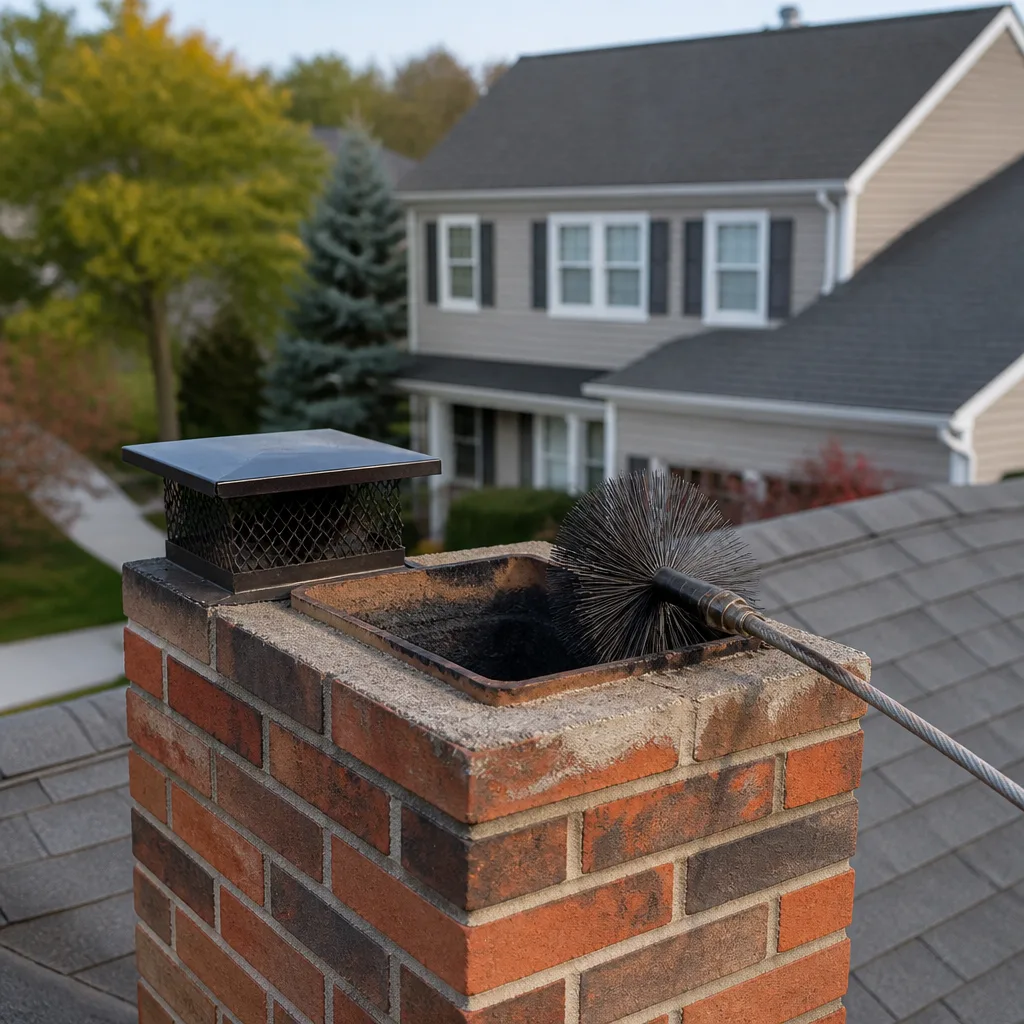
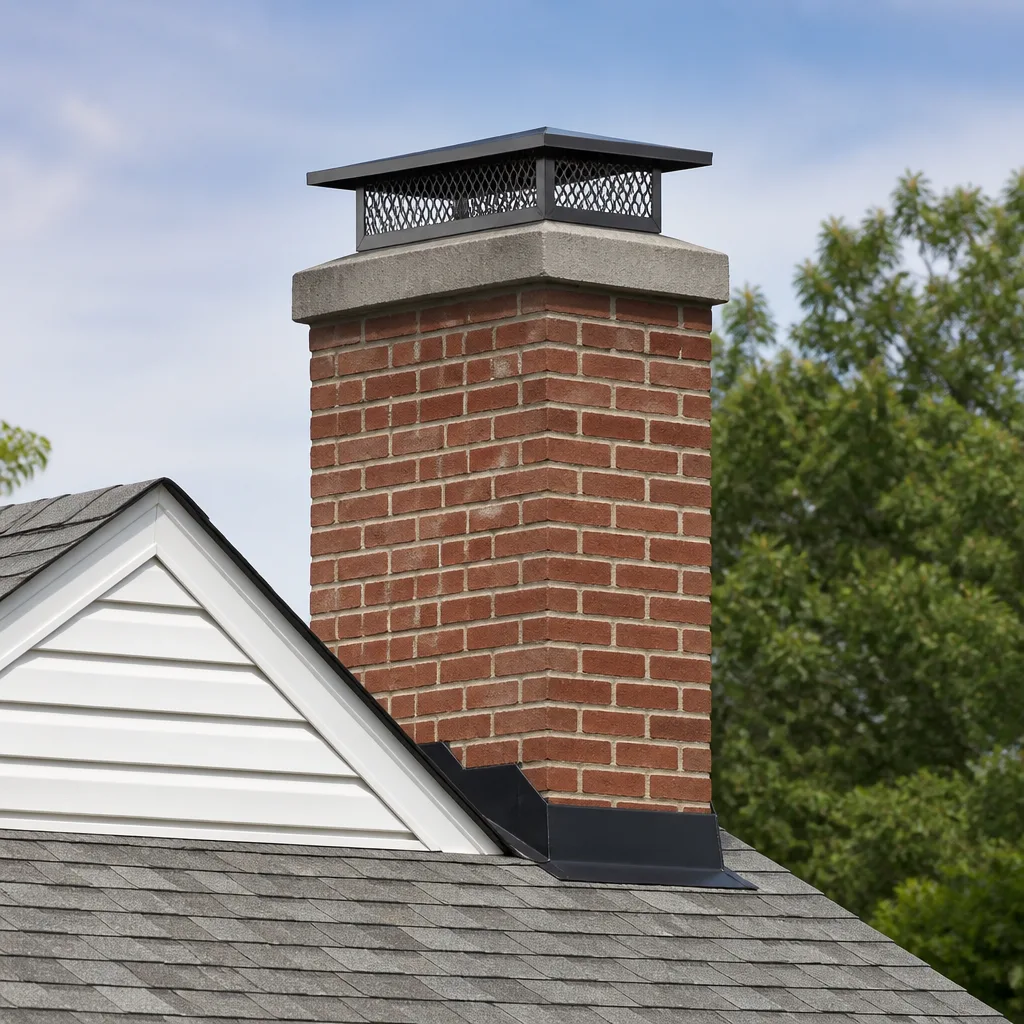
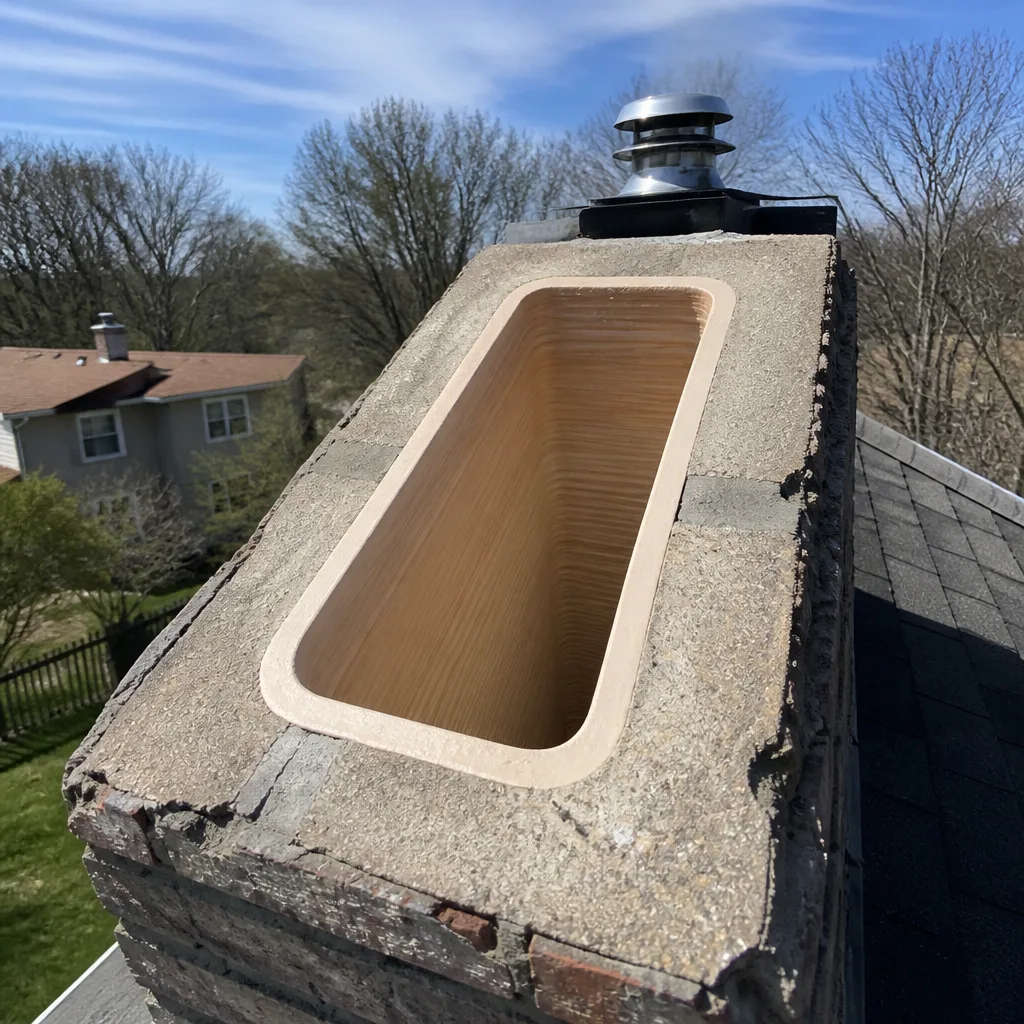
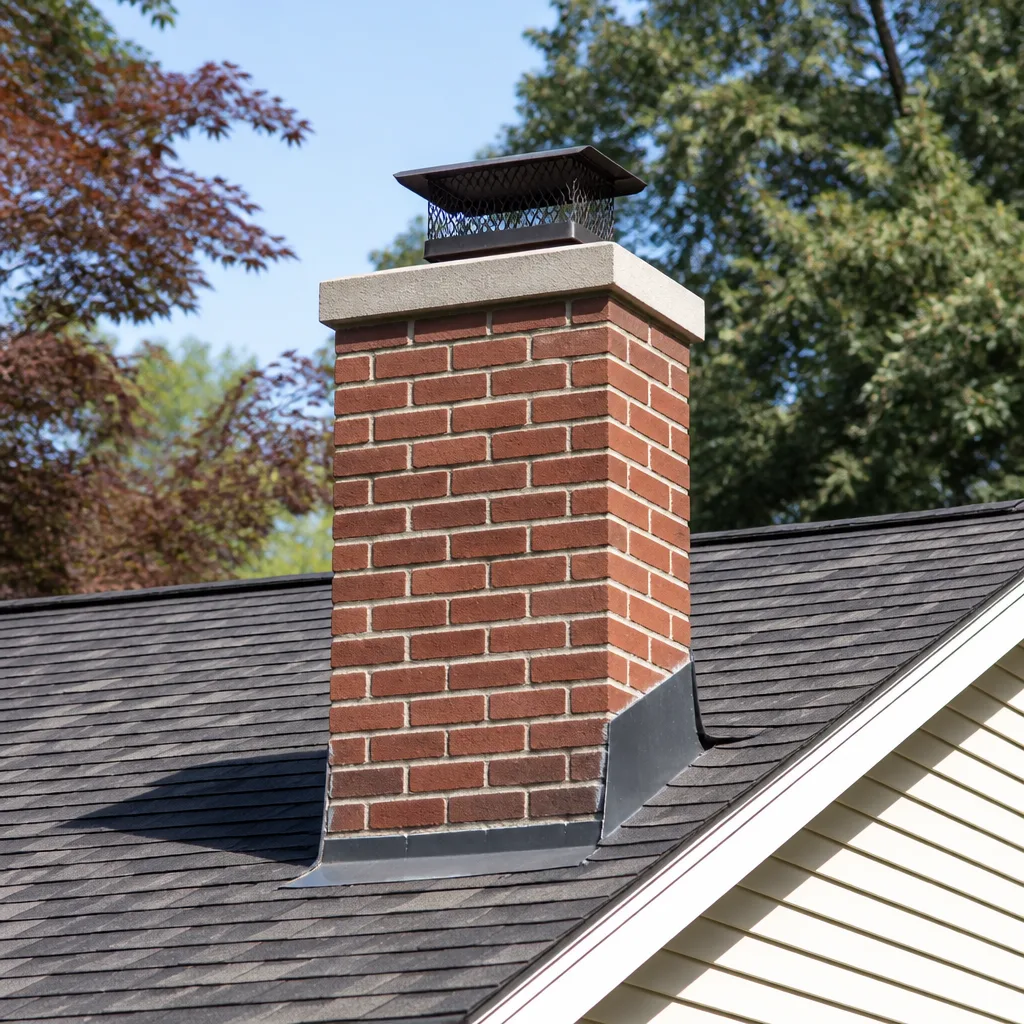
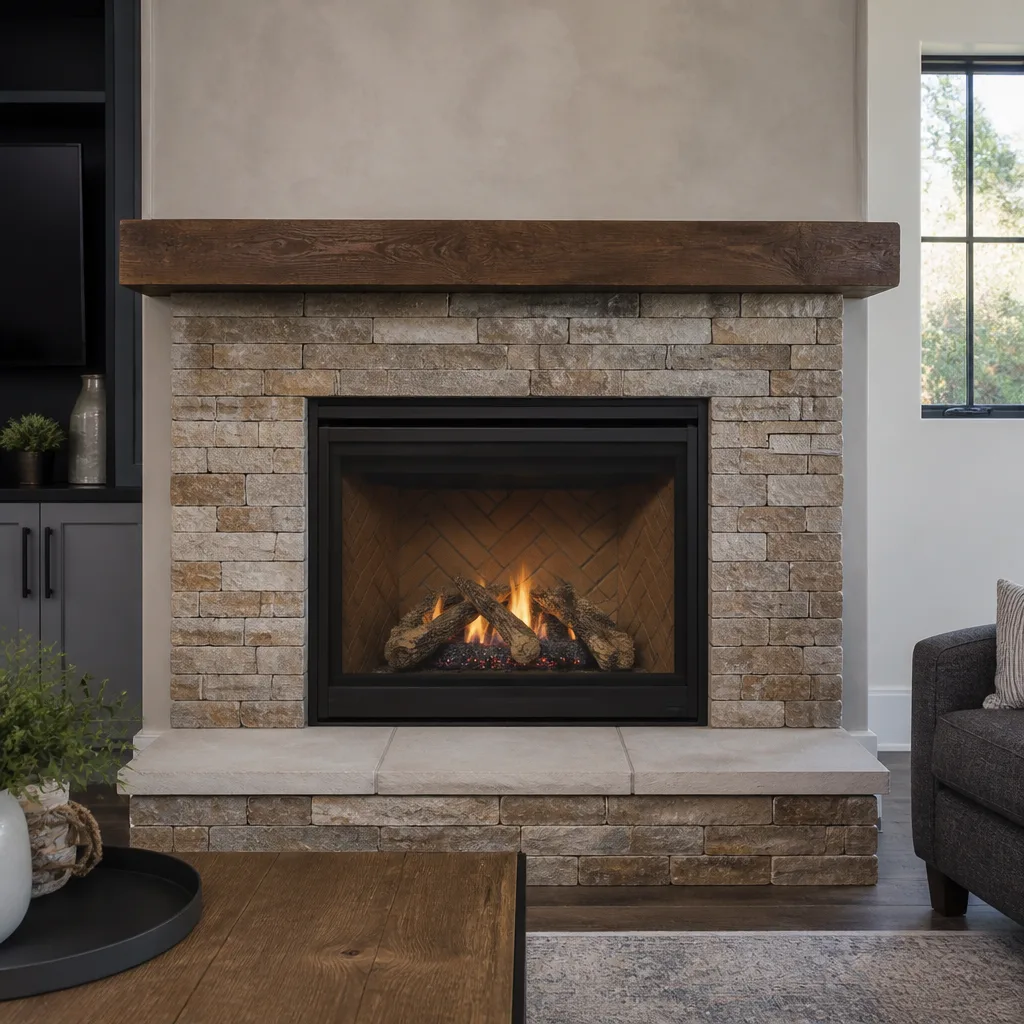
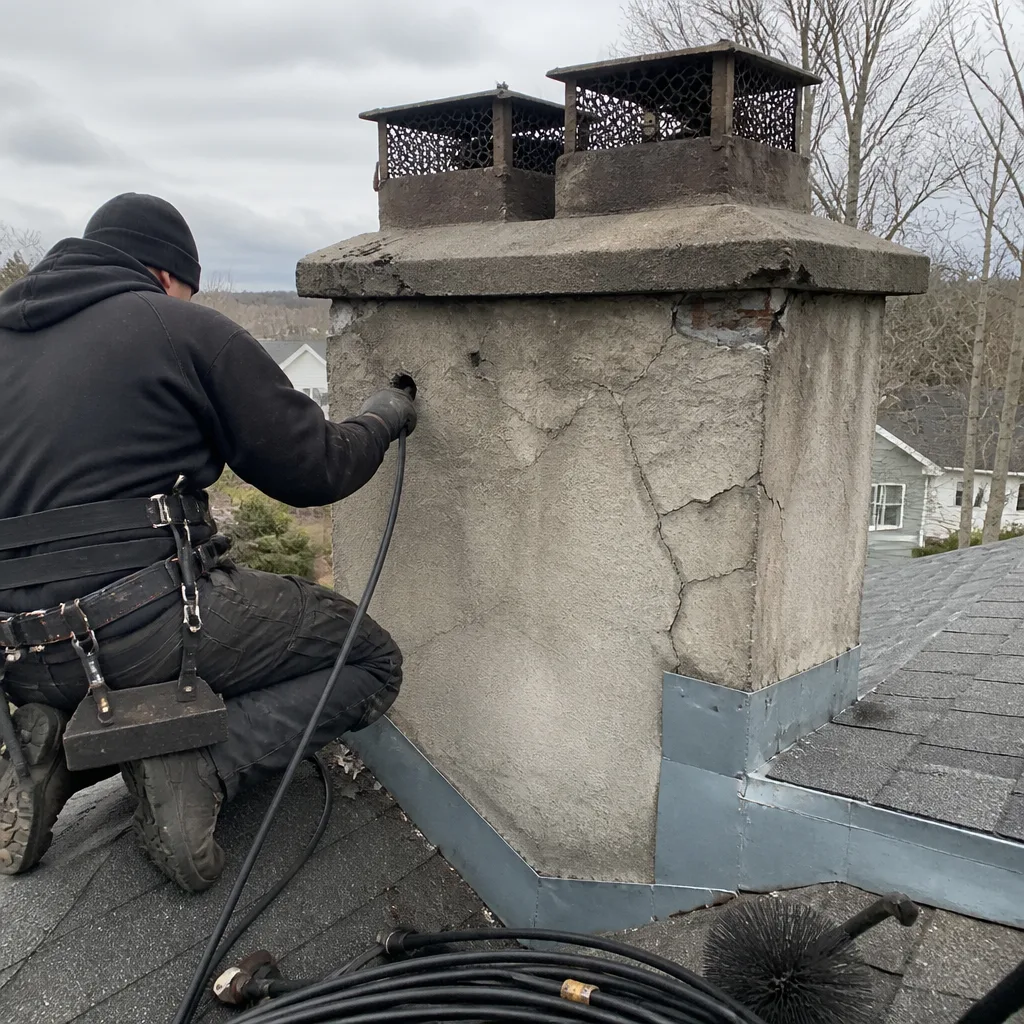 Before
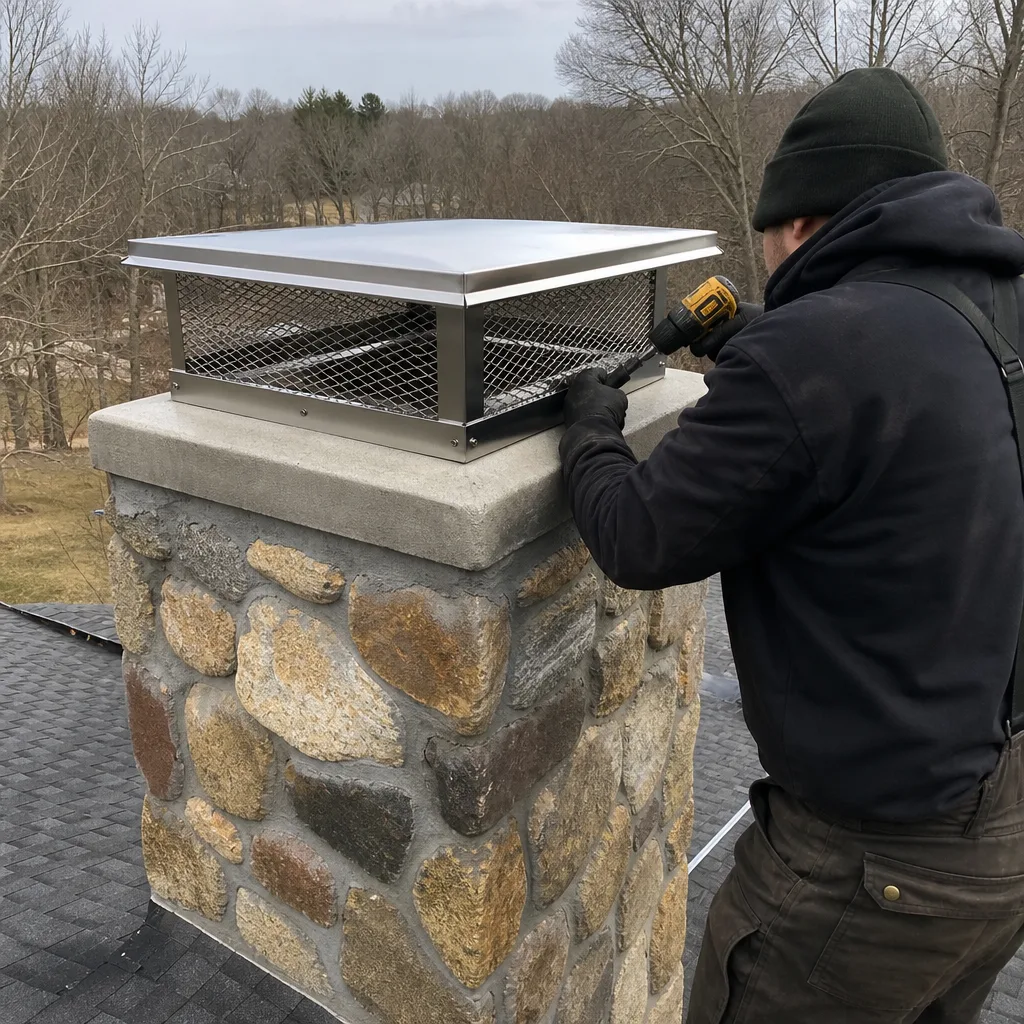 After
After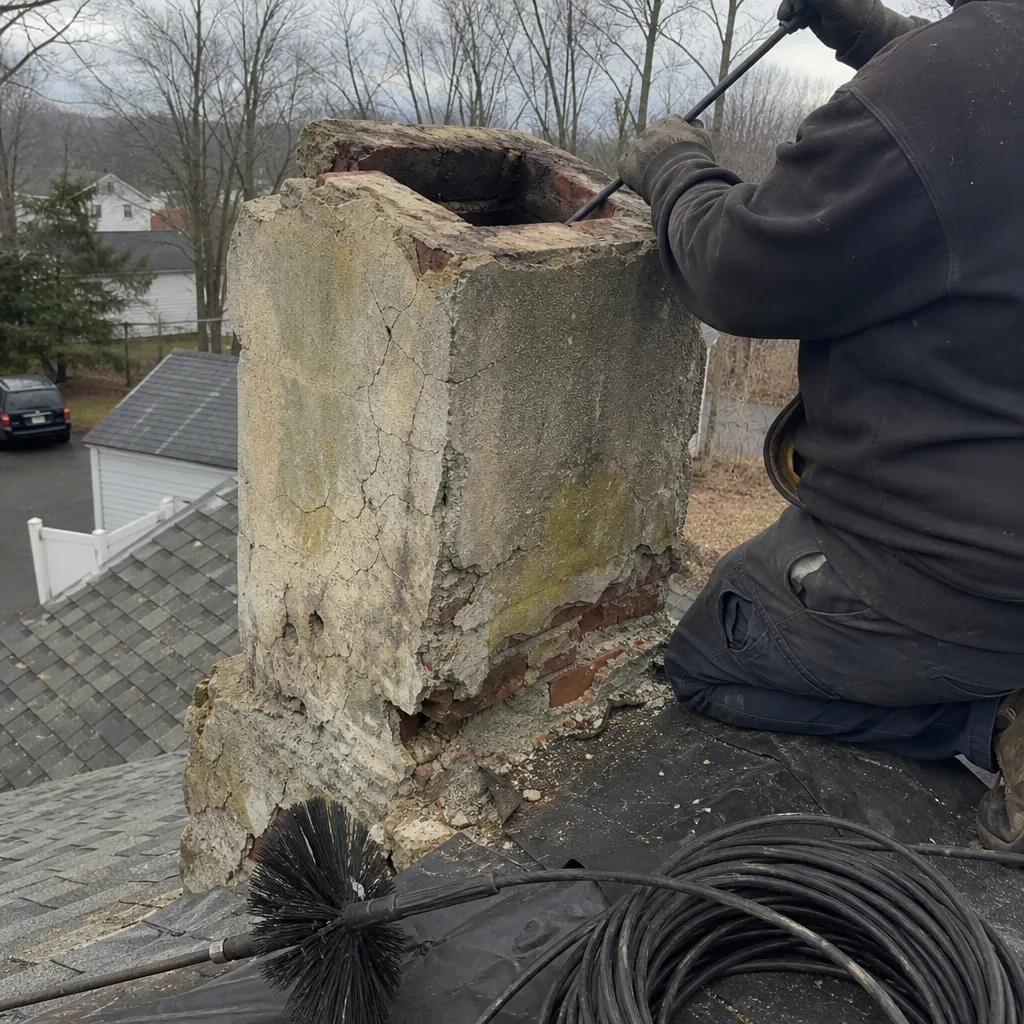 Before
 After
After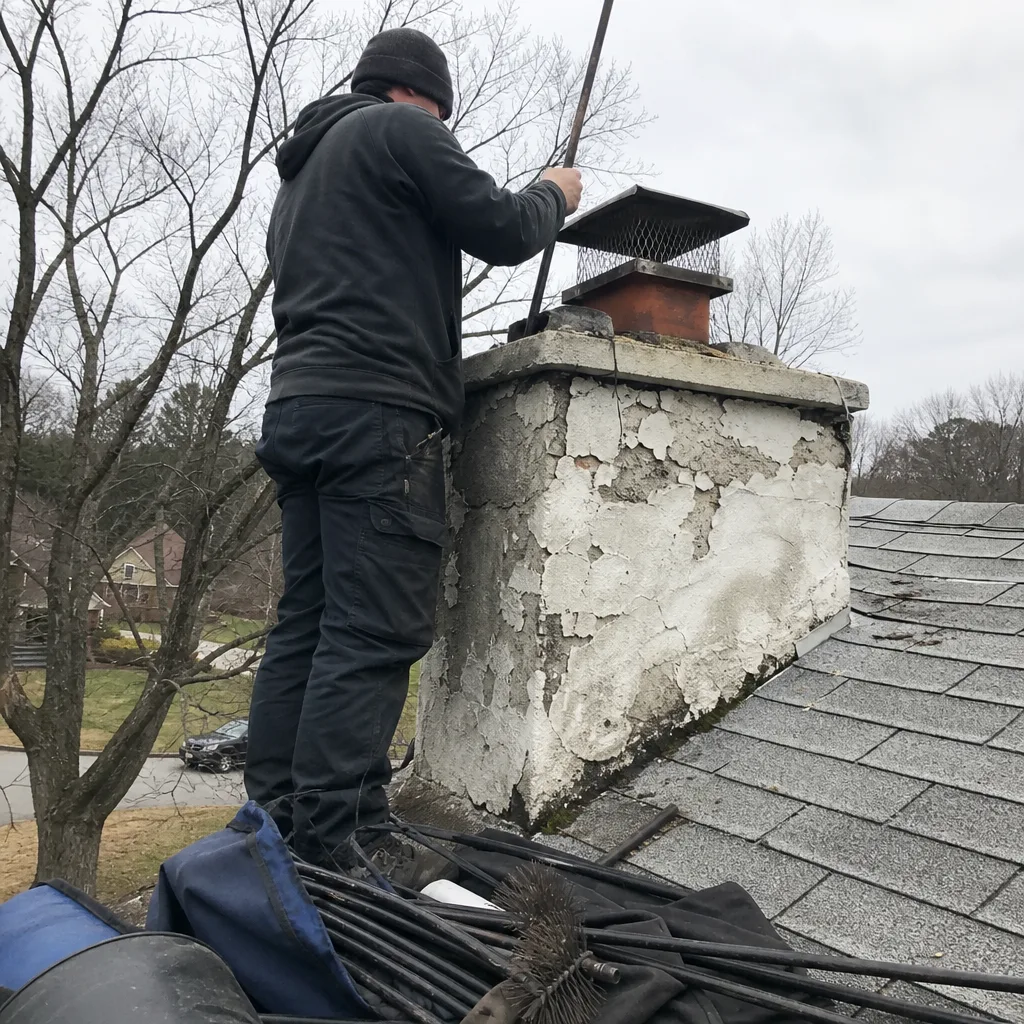 Before
 After
AfterChimney Cleaning Permits, Codes & Inspections in CT: What You Need to Know
Here’s a number that surprises most Waterford homeowners: roughly 4 out of 5 chimney service calls we run in Connecticut require no permit at all. A routine sweep, a visual check, a new rain cap screwed onto an existing flue tile, that’s maintenance, and the state building code treats it that way. But the other 1 call in 5, the one where the liner is cracked, the crown is spalling, or a wood stove is getting connected to an existing masonry chimney, that one can trigger a permit, an inspection, and paperwork that follows the house for years. This guide and our Complete Guide to Chimney Cleaning in Waterford explain where Connecticut draws that line, what your local building department actually wants to see, and what happens if you skip the permit and try to sell the house later.
Quick Answer
Routine chimney sweeping and inspection in Connecticut do not require a permit, but structural repairs, liner installations, and most insert or stove installations usually do. The standard Connecticut inspectors reference is NFPA 211, and any change to the flue’s structure, material, or venting path falls under the state building code. A licensed sweep’s written report and camera footage is the document that satisfies both building departments and insurance adjusters.
Table of Contents
- Do You Need a Permit to Clean a Chimney in Connecticut?
- What Actually Triggers a Permit Under CT State Building Code
- NFPA 211: The Standard Connecticut Inspectors Actually Reference
- Level 1 vs. Level 2 vs. Level 3 Inspections: What’s Legally Required When
- How Waterford’s Building Department Processes Chimney Permits
- Unpermitted Chimney Work and Connecticut Real Estate Transactions
- Why a Licensed Sweep’s Report Carries Weight with Insurance Adjusters
- What Chimney Permits and Inspections Actually Cost in CT
- Common Mistakes to Avoid
- When to Call a Professional
- Frequently Asked Questions
- The Bottom Line
Do You Need a Permit to Clean a Chimney in Connecticut?
No, you do not need a permit to clean a chimney in Connecticut. Sweeping is classified as routine maintenance under the Connecticut State Building Code, the same way changing furnace filters or cleaning gutters is maintenance. No building department in the state, including Waterford’s, requires a homeowner or a sweep to pull a permit before running a brush down a flue, though you’ll want to know the Chimney Cleaning Warning Signs every Waterford homeowner should watch for.
What a sweep does need is the right method for the creosote load. First-degree creosote is a brush job. Third-degree is a glaze, and that’s a different conversation, one that may involve rotary chain equipment, chemical treatment, or in the worst cases, a liner replacement. Still, no permit. The permit trigger is not about the cleaning. It’s about what the cleaning reveals.
Here’s the pattern we’ve seen across thousands of chimneys in southeastern Connecticut: a homeowner books a $189 sweep, we run the camera up, and the footage shows a cracked flue tile at the 12-foot mark. The sweep was permit-free. Fixing that crack is not. That’s the distinction most online guides blur, and it’s the one that matters when a building inspector or a home inspector starts asking questions.
In Waterford, the building department’s position mirrors the state code. Maintenance on an existing, functioning fireplace or wood stove requires no permits, no inspections, no filings. The department cares about changes to structure, changes to venting, and changes to fuel type. A brush through the flue changes none of those.
What Actually Triggers a Permit Under CT State Building Code
The Connecticut State Building Code, which adopts the International Residential Code with state amendments, draws a clear line between maintenance and modification. Maintenance is cleaning, inspecting, and replacing worn components with like-for-like parts. Modification is anything that changes how the chimney performs, what it vents, or what it’s made of. Here’s what falls on the permit side of that line, based on the calls we get from homeowners in Waterford, East Lyme, Niantic, and Old Lyme.
Work that requires a permit in Connecticut:
- Replacing a chimney liner with a different material or size than what’s currently installed. Swapping a clay tile liner for a stainless steel liner, for example, is a modification, not maintenance.
- Rebuilding any part of the chimney structure. This includes repointing that goes beyond surface mortar work, partial teardowns, and crown rebuilds that change the chimney’s dimensions or height.
- Installing a wood stove, pellet stove, or fireplace insert where one did not previously exist. Even if the chimney is already there, connecting a new appliance to it changes the venting system and needs approval.
- Changing fuel type. Converting a wood-burning fireplace to gas logs, or a wood stove to a pellet stove, requires a permit because the venting requirements differ.
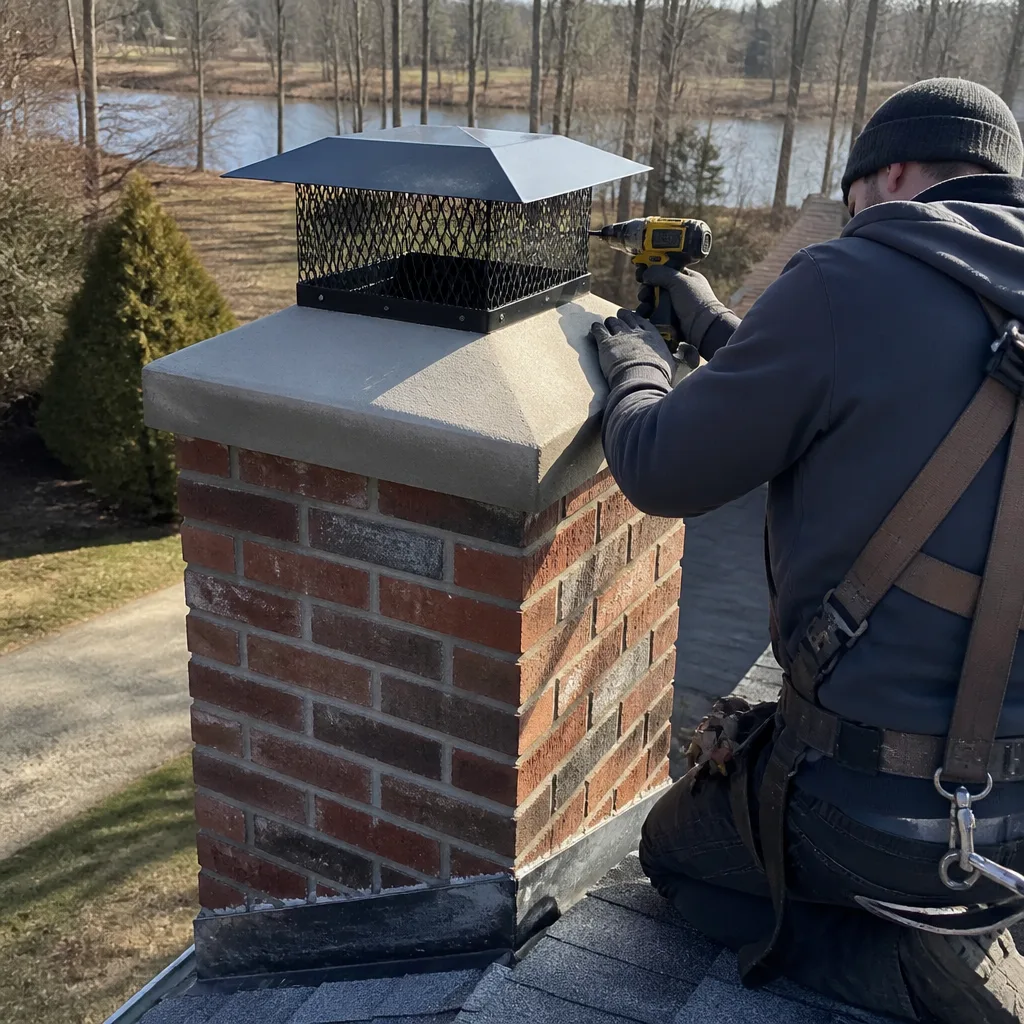
- Installing or replacing a chimney cap or spark arrestor when the installation requires modifying the flue tile or crown to anchor it. A cap that clamps onto an existing tile is maintenance. A cap that requires grinding the crown or drilling new anchors is not.
- Adding or extending a chimney height for draft correction. Any change to the chimney’s overall dimensions is structural.
Work that does NOT require a permit:
- Routine chimney sweeping and creosote removal.
- Chimney inspections, including camera inspections.
- Minor mortar repointing where less than 10% of a joint’s surface area is affected and the structural integrity is unchanged.
- Cleaning or replacing a chimney cap that mounts to the existing flue without modification.
- Installing a top-mount damper inside the existing flue.
- Waterproofing the exterior brick with a breathable sealant.
The gray area in Waterford is fireplace dampers. A throat damper that sits in the firebox and gets swapped for a new one is maintenance. A top-mount damper that replaces the chimney cap and seals the flue is maintenance too, because it doesn’t alter the flue’s structure. But a damper that requires cutting into the smoke chamber or changing the flue’s cross-section is a modification. When in doubt, call the Waterford building department before the work starts. Their staff is small, responsive, and will give you a straight answer over the phone, which is not something every town in New London County can claim.
NFPA 211: The Standard Connecticut Inspectors Actually Reference
When a Connecticut building official or a home inspector flags a chimney issue, the document they’re citing in their report is almost always NFPA 211. It’s the National Fire Protection Association’s standard for chimneys, fireplaces, vents, and solid fuel burning appliances. Connecticut has adopted NFPA 211 by reference in its fire safety code, which means it’s not a suggestion. It’s the yardstick.
NFPA 211 covers everything from minimum clearances between a wood stove and a wall to the maximum allowable creosote buildup before a flue is considered a fire hazard. The number that matters most for Waterford homeowners is 1/8 inch. Once creosote deposits reach an eighth of an inch thick anywhere in the flue, NFPA 211 says the chimney must be cleaned before further use. That isn’t a recommendation from a chimney company trying to sell a sweep. That’s a written standard a building inspector can cite in an inspection report.
The standard also defines the three levels of inspection, which Connecticut’s real estate market has effectively adopted as the default language for chimney condition reports. Level 1 is the annual maintenance inspection, done when nothing has changed. Level 2 is the real estate inspection, done when a property is changing hands or when a new appliance is being connected. Level 3 is the invasive inspection, done when a Level 2 finds damage that requires opening walls or removing chimney sections to fully assess.
What most homeowners don’t realize is that a Level 2 inspection is not a deep clean. It’s a documentation exercise. The sweep runs a camera up the flue and records what’s there: cracked tiles, missing mortar joints, creosote glaze, animal nests, water damage. That footage becomes the evidence file. When we’re called to do a Level 2 in Waterford before a closing, the buyer and seller both get the same camera footage and a written report that spells out what’s safe, what’s not, and what needs a permit. No upsell. No doomsday language. Just the chimney’s story in pictures and plain English.
Level 1 vs. Level 2 vs. Level 3 Inspections: What’s Legally Required When
Connecticut statute does not mandate chimney inspections on a specific calendar schedule for private homes. But NFPA 211 does, and most Connecticut real estate transactions, insurance underwriters, and building departments treat NFPA 211 compliance as the baseline. Here’s the breakdown of what each inspection level involves and when it becomes a legal or practical necessity.
- Level 1 Inspection: A visual check of the accessible portions of the chimney and appliance, including the firebox, damper, and the flue’s interior from the top and bottom. No cameras, no climbing into difficult spots. This is the inspection done during a routine sweep. NFPA 211 recommends it annually for chimneys under continuous use and when no changes have been made to the system. It is not sufficient for a home sale.
- Level 2 Inspection: Everything in Level 1 plus a camera scan of the full flue interior and an assessment of all accessible portions of the exterior. NFPA 211 requires a Level 2 when a property is being sold or transferred, when a new appliance is connected to an existing chimney, after a chimney fire, after an earthquake or severe weather event, and after a lightning strike. In Connecticut real estate closings, the buyer’s attorney almost always requests a Level 2 chimney inspection if one is not already in the file. This is the inspection that reveals cracked liners, hidden creosote glaze, and the kind of damage that makes a closing contingent on repair.
- Level 3 Inspection: A Level 2 inspection that finds suspected hidden damage triggers a Level 3, which involves removing portions of the chimney, interior walls, or ceiling to access and document the problem. Level 3 inspections are rare in Waterford, but they happen when a chimney fire has occurred and the flue liner’s condition cannot be confirmed without opening the structure. They require a permit because they involve demolition, even if the goal is inspection.
For a homeowner who has used the same fireplace for fifteen years without incident, a Level 2 may feel like overkill. But if that homeowner decides to sell, the buyer’s inspector will pull the fireplace access panel, shine a light up the flue, and write something in a report. That something becomes the basis for a repair request. A written Level 2 report from a licensed sweep, with camera footage, is often the difference between a smooth closing and a renegotiated price.
How Waterford’s Building Department Processes Chimney Permits
Waterford’s building department operates out of the town hall on Rope Ferry Road, and the process for a chimney permit is straightforward. A homeowner or contractor submits a permit application describing the work, the building official reviews the scope to confirm it meets Connecticut State Building Code, and the permit is issued for a fee based on the project’s estimated cost. For most chimney projects in town, from liner replacements to wood stove installations, the process takes a few days to two weeks, depending on workload and whether plans need to be submitted.
The department’s inspectors are familiar with chimney work. They inspect flue liners, hearth dimensions, and clearance-to-combustibles distances on every wood stove installation, and they check that masonry repairs meet the code’s structural requirements. An inspector who sees a stainless steel liner from Gelco or Olympia Chimney knows the product meets the code’s UL listing requirements, which speeds the approval along. We’ve worked with Waterford’s building officials for years, and the relationship is what you’d expect in a small town: the inspector knows the houses, knows the flues, and knows which crews do the work right the first time.
One distinction that trips up Waterford homeowners is the difference between the building permit and the certificate of occupancy, or in this case, the certificate of compliance. The permit allows the work to start. The inspector’s sign-off at the end, documented on the permit, is what proves the work met code when it’s done. That final sign-off is the document a buyer’s attorney will request during a sale. An open permit, one where the work was done but never inspected and closed out, is a title problem. Closing attorneys search for open permits in Waterford and every other town in the county. An open chimney permit from 2008 can delay a closing in 2026 until someone calls the building department and gets it resolved.
Unpermitted Chimney Work and Connecticut Real Estate Transactions
Here’s the scenario that plays out at kitchen tables across New London County. A homeowner replaced a cracked flue liner in 2014. The sweep quoted the work, the homeowner said yes, the liner went in. No permit was pulled. In 2026, the house goes under contract, the buyer’s home inspector flags the liner as “appears recently replaced,” and the buyer’s attorney asks for the permit. There isn’t one. Now what?
What happens depends on the town and the specific work. In Waterford, unpermitted work that would have required a permit gets reported on the buyer’s inspection report as a condition to address before closing. The seller has a few options: file for a permit retroactively and have the work inspected now, have a licensed professional document that the existing installation meets code and submit that to the buyer’s attorney, or negotiate a credit so the buyer can pull the permit and resolve it after closing. The retroactive permit path is the most common, and in our experience, Waterford’s building officials handle it without drama. The work gets inspected, the permit gets closed, and the closing moves forward, sometimes a week later than planned.
The harder cases involve unpermitted work that does not meet current code. An unlisted liner installed without the required clearance. A wood stove connected to a flue that’s sized for a fireplace. A chimney cap that blocks proper draft. When that happens, the repair becomes a condition of sale, and someone has to pay for it. That someone is usually the seller, who is now in a hurry to get the work done before the buyer walks. It’s a bad position to negotiate from, and it’s avoidable by pulling the permit the first time.
For buyers, the lesson is different. When a home inspection report notes any chimney work that looks recent, ask for the permit. If the seller does not have one, the cost and responsibility of resolution should be on the seller, not folded into your mortgage. A licensed sweep can perform a Level 2 inspection and tell you whether the work, permitted or not, is safe. The camera footage and a written report become part of the transaction file. That’s the document a buyer can rely on.
Why a Licensed Sweep’s Report Carries Weight with Insurance Adjusters
Here’s what we’ve learned from watching insurance claims on chimneys in Connecticut for over two decades: an insurance adjuster does not care that a handyman with a brush said the chimney looked fine. An adjuster cares about documentation. A report from a licensed chimney sweep with a company name, a license number, and camera footage attached is a document with evidentiary value. A receipt from an unlicensed crew is a piece of paper.
When a homeowner files a claim for a chimney fire, the adjuster asks two questions: when was the chimney last cleaned, and who cleaned it? If the answer is “I don’t have a receipt” or “some guy from Craigslist,” the claim can be denied on the basis of negligence or lack of maintenance. If the answer is a written report from a licensed sweep dated eight months earlier that documents a clean flue and a functioning damper, the adjuster’s investigation shifts to the fire’s cause, not the homeowner’s maintenance history. That difference is worth thousands of dollars.
After a chimney fire in Waterford, the insurance company will typically require a Level 2 inspection before they restore coverage or pay for repairs. The inspecting sweep’s written report becomes the scope of work for the repair estimate. If the report says the flue needs a new liner, the adjuster authorizes a new liner. If the report says the flue survived the fire with minor cleanup, the adjuster closes the structural portion of the claim. The report’s credibility rests on the sweep’s license and the camera evidence backing up every sentence. We have seen adjusters approve a full rebuild based on one screen capture from our camera, and we have seen them deny claims because the homeowner’s “inspection” was a phone call from a contractor who never looked in the flue.
What Chimney Permits and Inspections Actually Cost in CT
Costs in Connecticut vary by town and project scope, but here’s what Waterford homeowners should expect to pay based on current market rates and the building department’s fee schedule.
| Item | Typical Cost in Waterford Area |
|---|---|
| Chimney sweep (Level 1 inspection included) | $169-$289 |
| Level 2 inspection with camera report | $249-$429 |
| Building permit for liner replacement | $75-$200 depending on project value |
| Building permit for wood stove installation | $75-$250 depending on project value |
| Stainless steel liner replacement (permitted, installed) | $1,800-$3,500 |
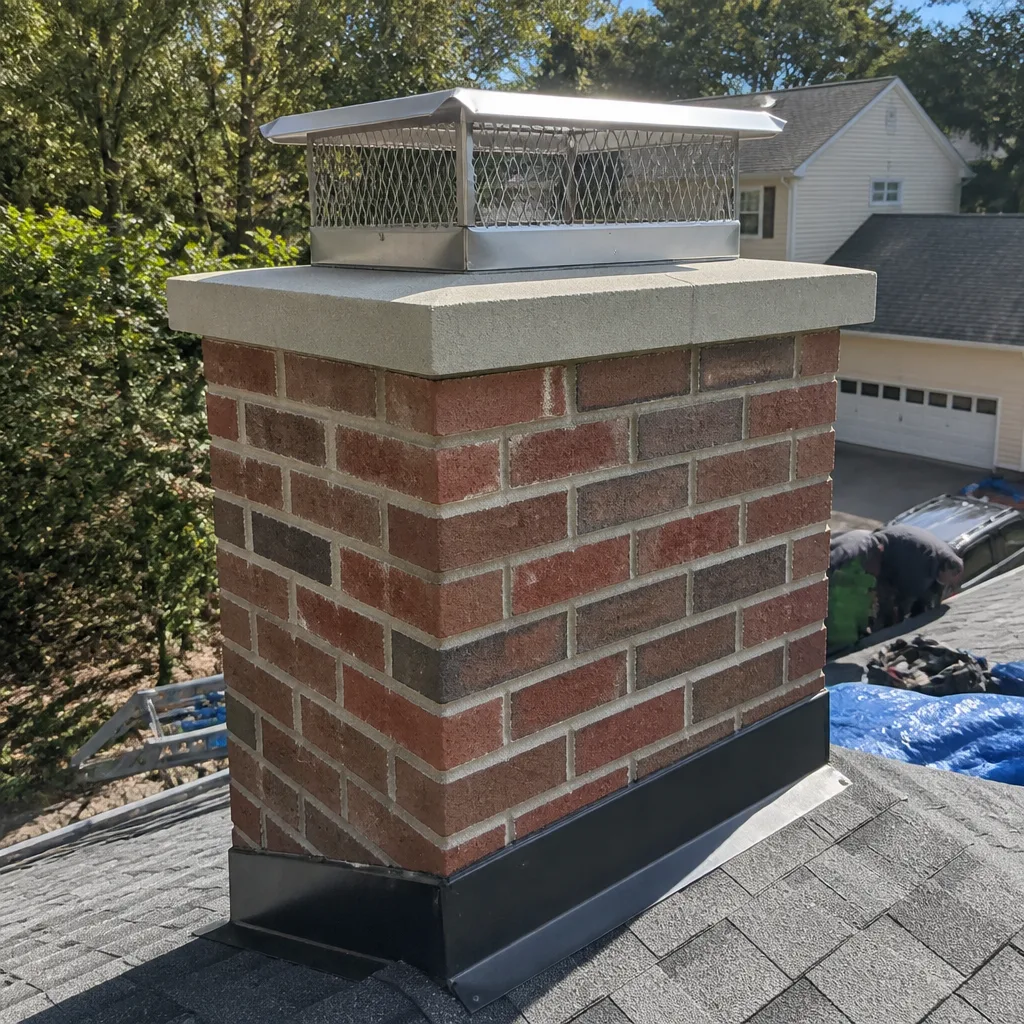
| Crown rebuild with new cap | $1,200-$2,800 |
| Retroactive permit resolution (inspection + close-out) | $100-$300 plus any repair costs |
A Level 2 inspection in Waterford costs more than a sweep because it includes the camera time, the report writing, and the liability of documenting a chimney’s condition in a way that will hold up in a real estate file. It is the service buyers request most often, and it is the one that most frequently changes the negotiation. When a Level 2 comes back clean, the buyer proceeds. When it comes back with a cracked flue or a missing cap, someone has to write a check. Knowing before the offer is written is worth the inspection cost.
Common Mistakes to Avoid
- Skipping the permit on a wood stove install to save $100. The stove’s flue runs through your living space. When the buyer’s inspector checks the permit record and finds nothing, you’ll pay far more than $100 to resolve it during escrow, likely under time pressure.
- Assuming a chimney sweep is the same as a chimney inspection. A sweep removes creosote. An inspection evaluates condition. Both are valuable, but only the documented inspection means anything to an insurance adjuster or a building official.
- Using an unlicensed contractor for a liner replacement. A low bid from a handyman who “does chimneys on the side” will haunt you at resale. Unpermitted, undocumented work with no manufacturer warranty on the liner is a liability, not a bargain. In Waterford, a liner with a Famco cap and a written installation record is an asset.
- Ignoring open permits from a previous owner. When you buy a house in Connecticut, you may inherit open permits. A title search that uncovers an unclosed chimney permit from the previous owner becomes your problem if it’s not resolved before closing. Check the permit history before you sign.
- Waiting until the day before a closing to schedule a Level 2 inspection. In Waterford’s real estate market, good sweeps book out a week or two during peak season. Waiting until the last minute either delays the closing or forces you to use whoever has a cancellation slot.
- Assuming your homeowner’s insurance covers chimney repairs. It covers sudden and accidental damage, not deferred maintenance. A cracked crown that’s been leaking for five years is not a covered event. Finding it early with a cheap inspection beats discovering it after the ceiling stains appear.
- Confusing “annual maintenance” with “no maintenance needed.” Once a year, burn or no burn. Chimneys break in the off-season too. A Waterford winter with its freeze-thaw cycles spalls brick and opens cracks in crowns. The chimney you cleaned in October may have a new problem by March.
When to Call a Professional
Call a licensed sweep if you see white staining on the exterior brick, which means water is moving through the masonry where it shouldn’t be. Call if you smell smoke or dampness in the house days after the last fire, which signals a draft problem or creosote buildup. Call if you’re selling your home and the buyer’s attorney asks for a Level 2 inspection, or if you’re buying a home and the inspection report includes any chimney language at all. Call if you had a chimney fire, even a small one, because the flue liner needs a camera assessment before the next burn. Call if your chimney cap is missing, your damper is stuck open, or animals have nested in the flue. For any of these, Top Hat Chimney offers free estimates in Waterford; call (860) 390-4899 or browse more guides & resources on keeping your chimney safe. Wendell and his crew will tell you plainly whether the work needs doing now, can wait a season, or doesn’t need doing at all.
Frequently Asked Questions
Once a year, burn or no burn. Connecticut’s freeze-thaw cycle and humid summers cause masonry damage even in chimneys that never see a fire, and an annual sweep with a visual check catches problems before they become structural. The NFPA 211 standard also requires cleaning whenever creosote reaches 1/8 inch thick, even if that’s sooner than a year. Call (860) 390-4899 if you’re past due; we’ll set you up with an appointment that fits your schedule.
If the cap clamps onto an existing flue tile without modifying the crown or liner, no permit is required. If the installation requires grinding the crown, drilling new anchor holes, or making any structural change, a permit is required. When you call Top Hat Chimney for a cap install, we’ll tell you which category your chimney falls into before any work begins. Call (860) 390-4899 for a free estimate.
The buyer’s attorney will request permit documentation for any work that appears on the home inspection report. If you can’t produce it, the buyer can demand a retroactive permit inspection, a repair credit, or a price reduction. The retroactive process in Waterford is manageable but slows the closing and puts you in a weak negotiating position. Pull the permit the first time. Call (860) 390-4899 if you need help determining whether your previous work is documented.
Most chimney sweeps in Connecticut include a basic visual check, called a Level 1 inspection, with every cleaning. It’s a visual assessment of the accessible parts: firebox, damper, and flue from the top and bottom. It does not include a full camera scan. If you need a documented Level 2 inspection with camera footage and a written report for a home sale or insurance claim, that’s a separate service. Call (860) 390-4899 and tell us what you need; we’ll quote both options plainly.
A wood stove permit in Waterford typically costs the same as a fireplace permit, since the fee is based on project value, not appliance type. The difference is the inspection itself. Wood stove installations are inspected more carefully because clearances to combustibles, floor protection, and flue sizing all have specific code requirements. The good news is that a stove installed with a listed liner system from a brand like Copperfield or Gelco passes inspection quickly because the products are already code-approved. Call (860) 390-4899 for a permit-ready quote.
Most Connecticut insurance carriers require documentation from a licensed chimney professional before paying a chimney fire claim or reinstating a policy after a fire. They want a written report with a company name, a license number, and ideally camera evidence. A receipt from an unlicensed worker will not satisfy the adjuster. If your insurer asks for a documented inspection, Top Hat Chimney provides the camera footage and a plain-English report. Call (860) 390-4899 to schedule it.
The Bottom Line
Chimney cleaning in Connecticut needs no permit. Chimney repair often does, and the distinction comes down to whether the work changes structure, material, or venting. NFPA 211 is the standard every Connecticut inspector and insurance adjuster references, and a Level 2 camera inspection is the document that proves a chimney’s condition in any transaction. In Waterford, the permit process is straightforward, the building department is reasonable, and the costliest mistake is trying to avoid the paperwork. Sweep the chimney every year, pull the permit when the work requires it, keep the paperwork in a folder, and when you sell the house, the chimney won’t be the reason the closing goes sideways. For a full maintenance schedule, see our Chimney Cleaning & Sweep Maintenance Checklist for Waterford Homeowners. Written by Wendell Pike, Owner at Top Hat Chimney, serving Waterford since 1999.