
Last updated September 10, 2026
Level 1 sweep and inspection to the NFPA 211 annual standard - flue, crown, cap, and flashing checked and photographed
Chimney sweep logs do not sweep chimneys. They loosen some creosote - which then falls where a brush and vacuum still have to collect it.
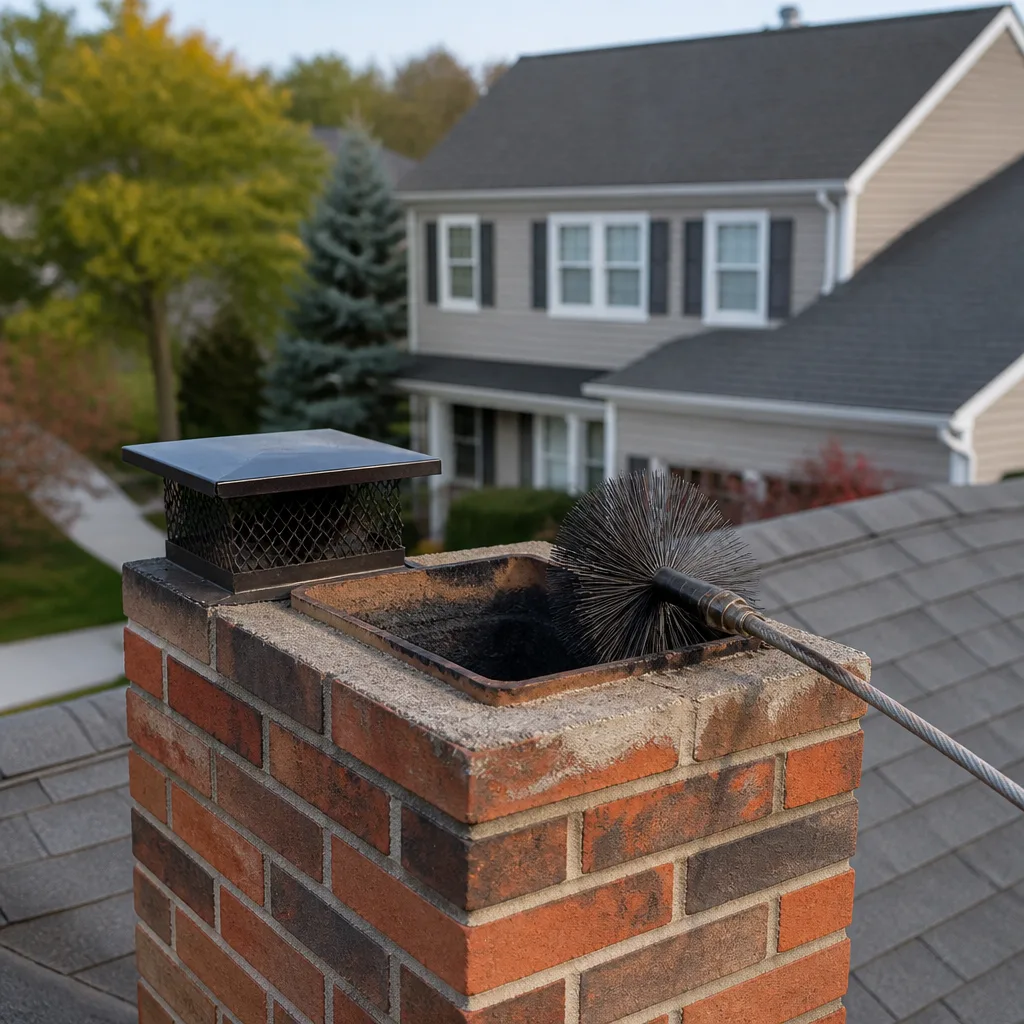
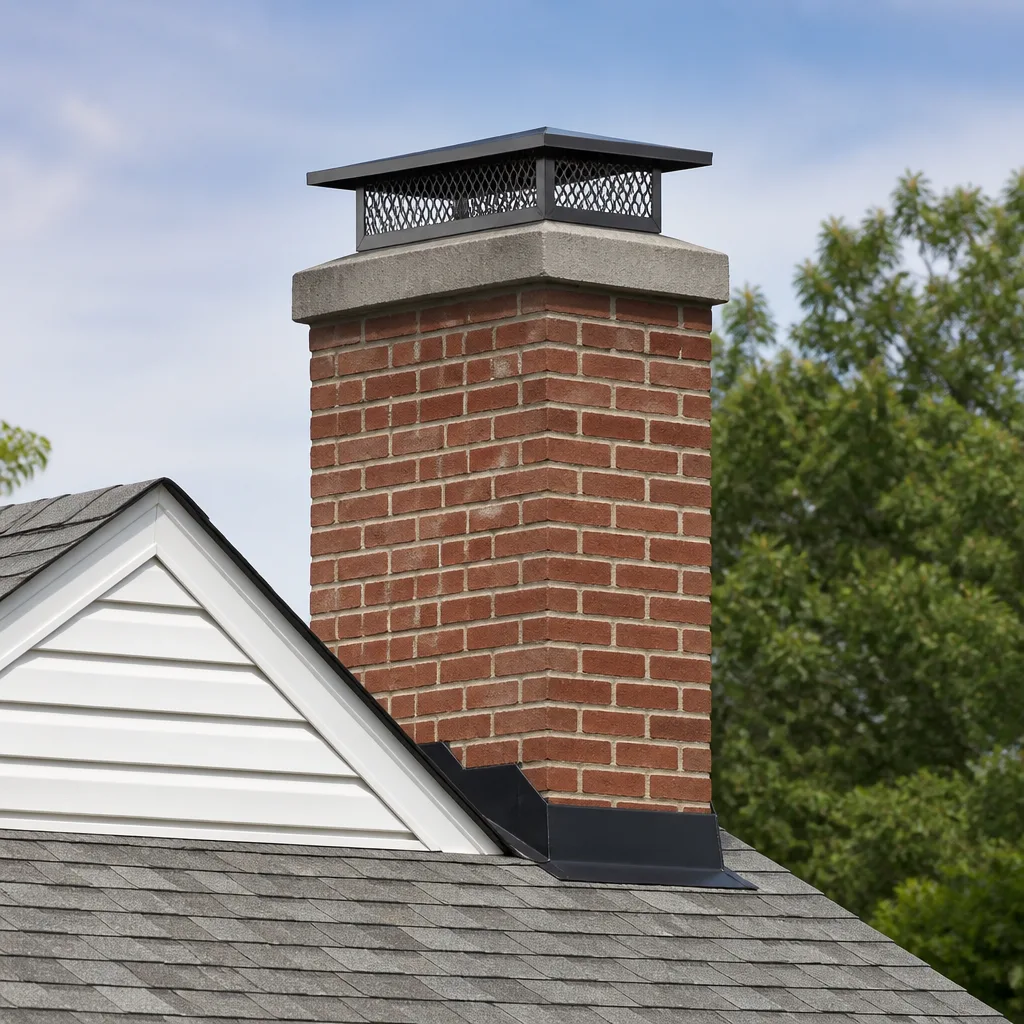
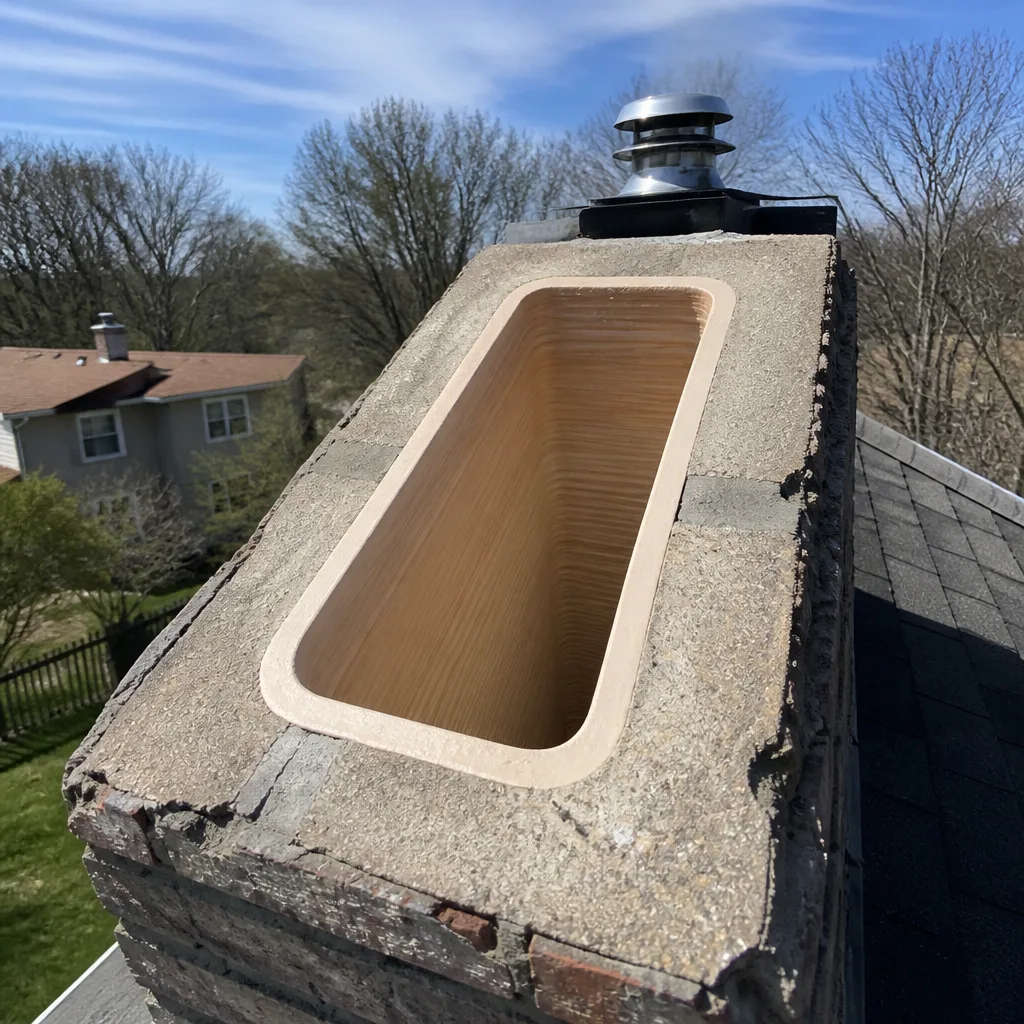
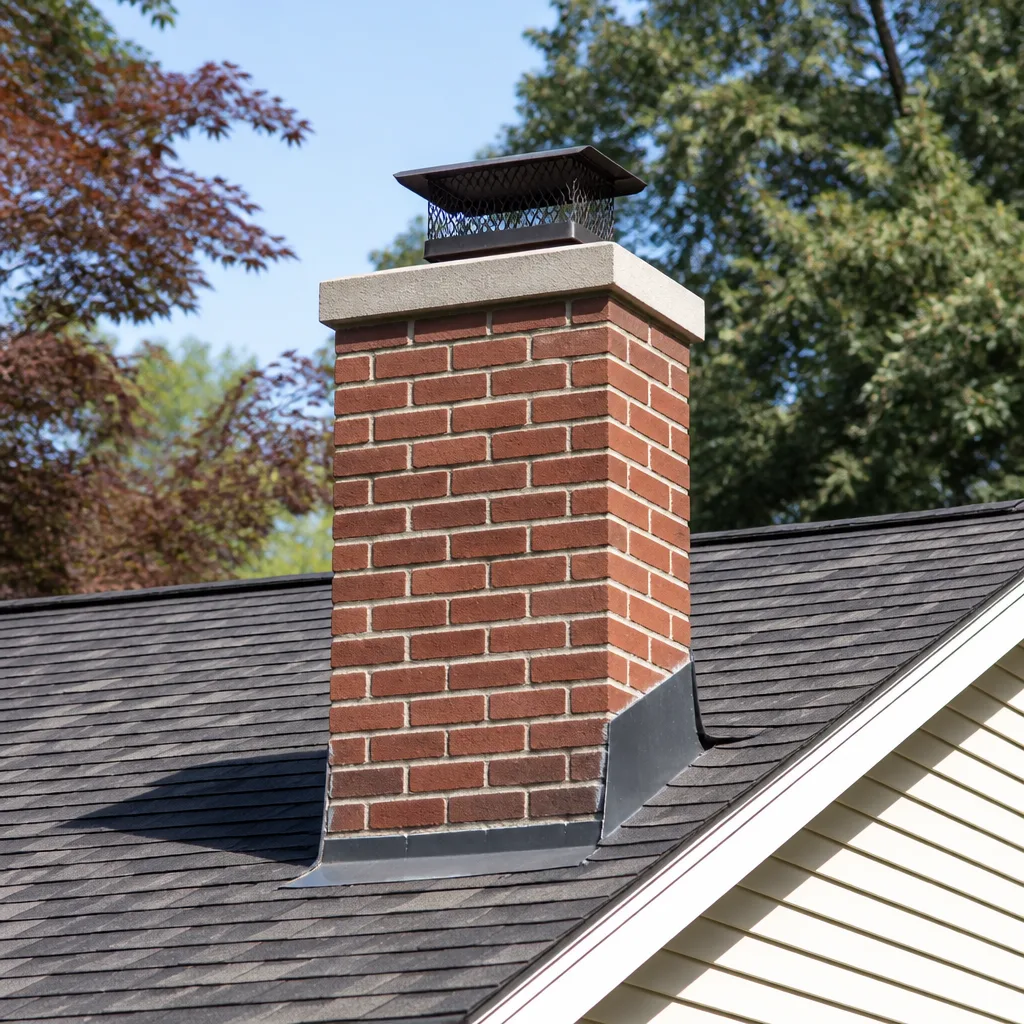
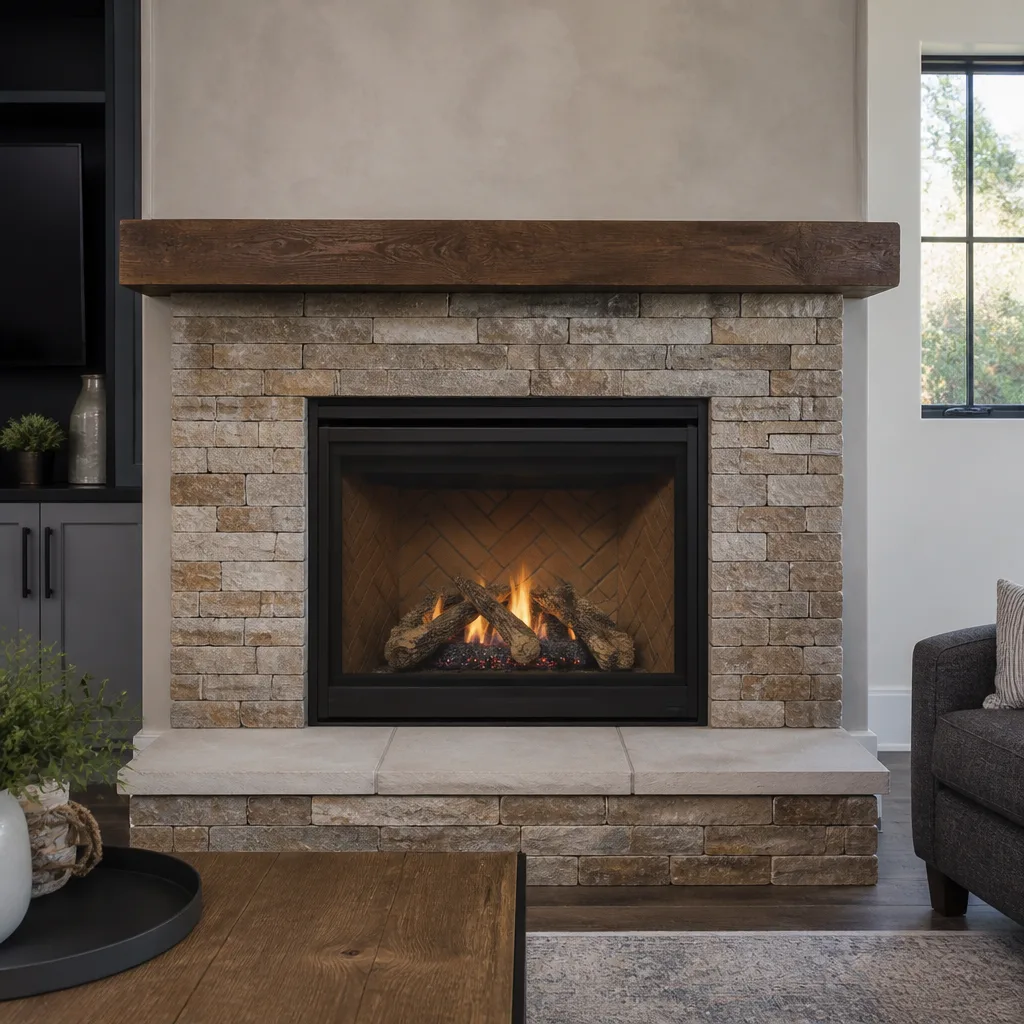
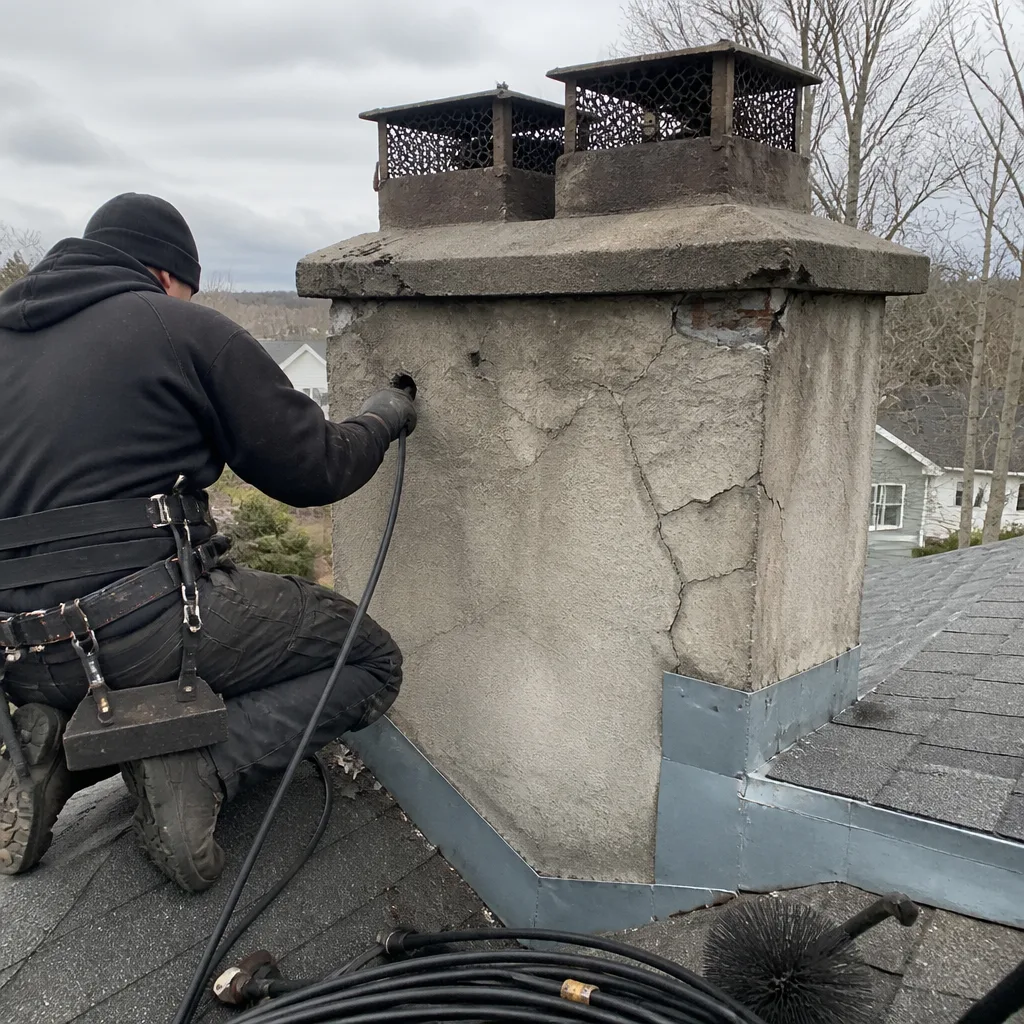 Before
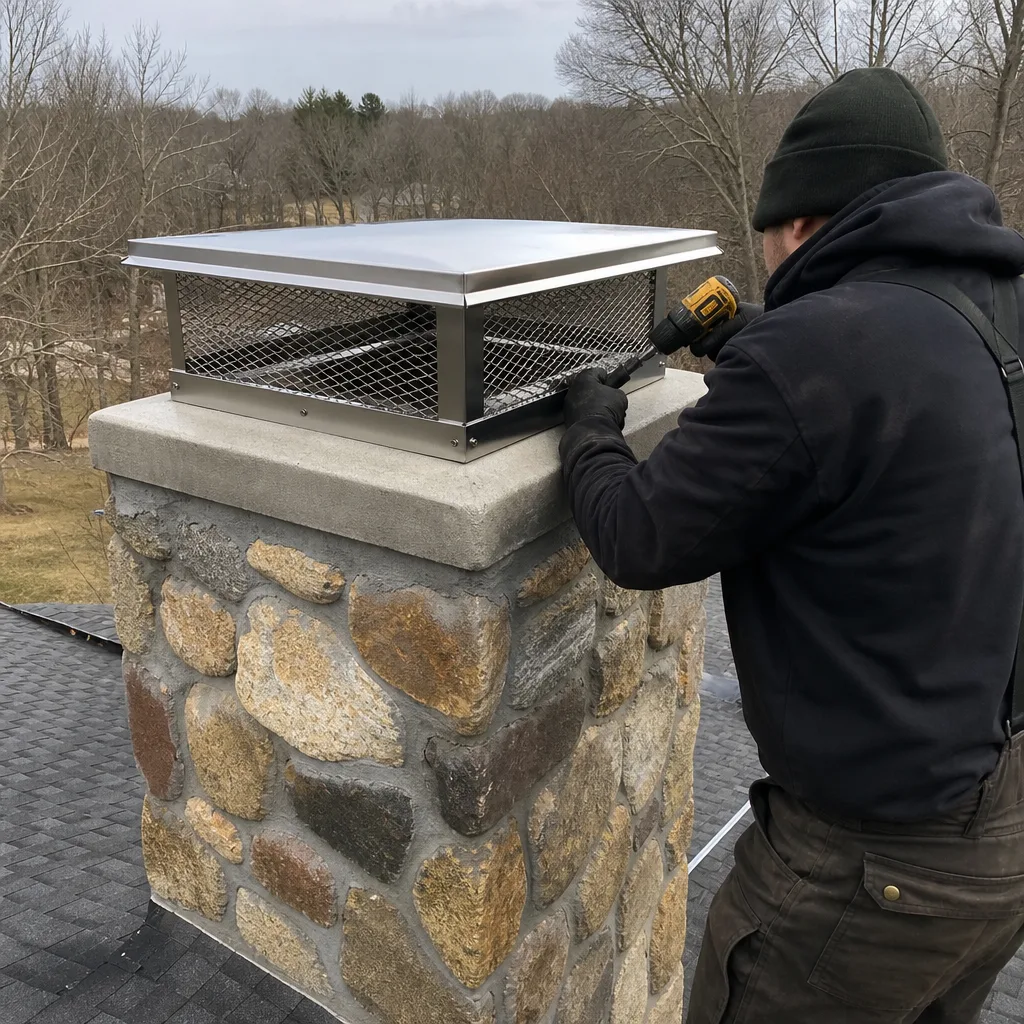 After
After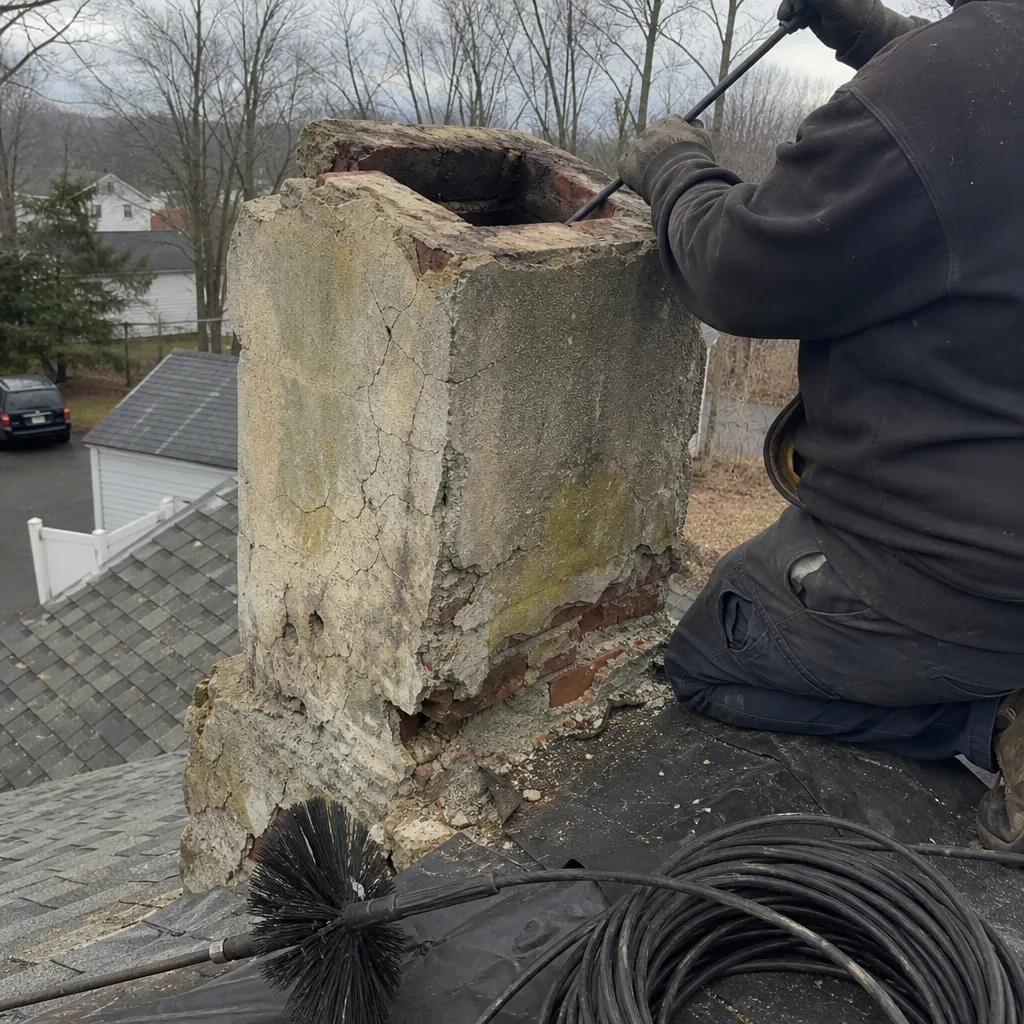 Before
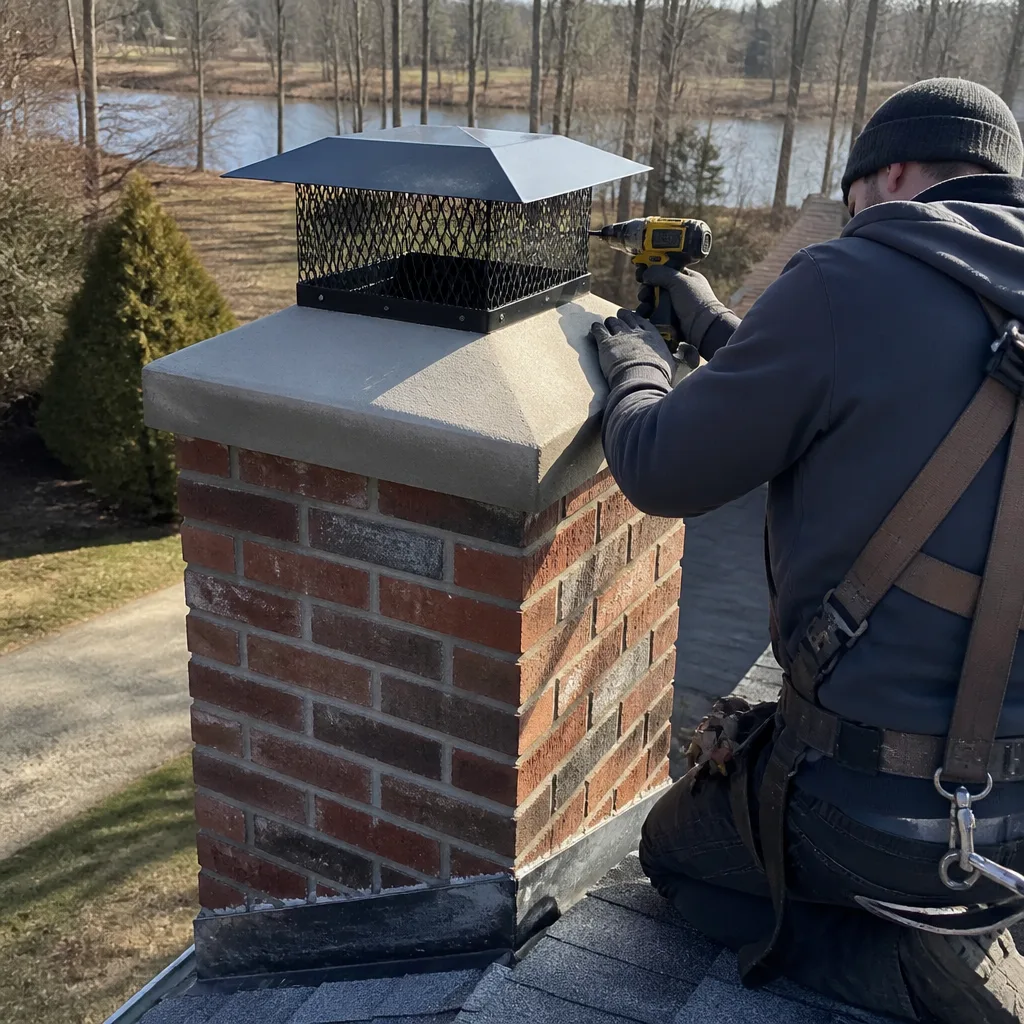 After
After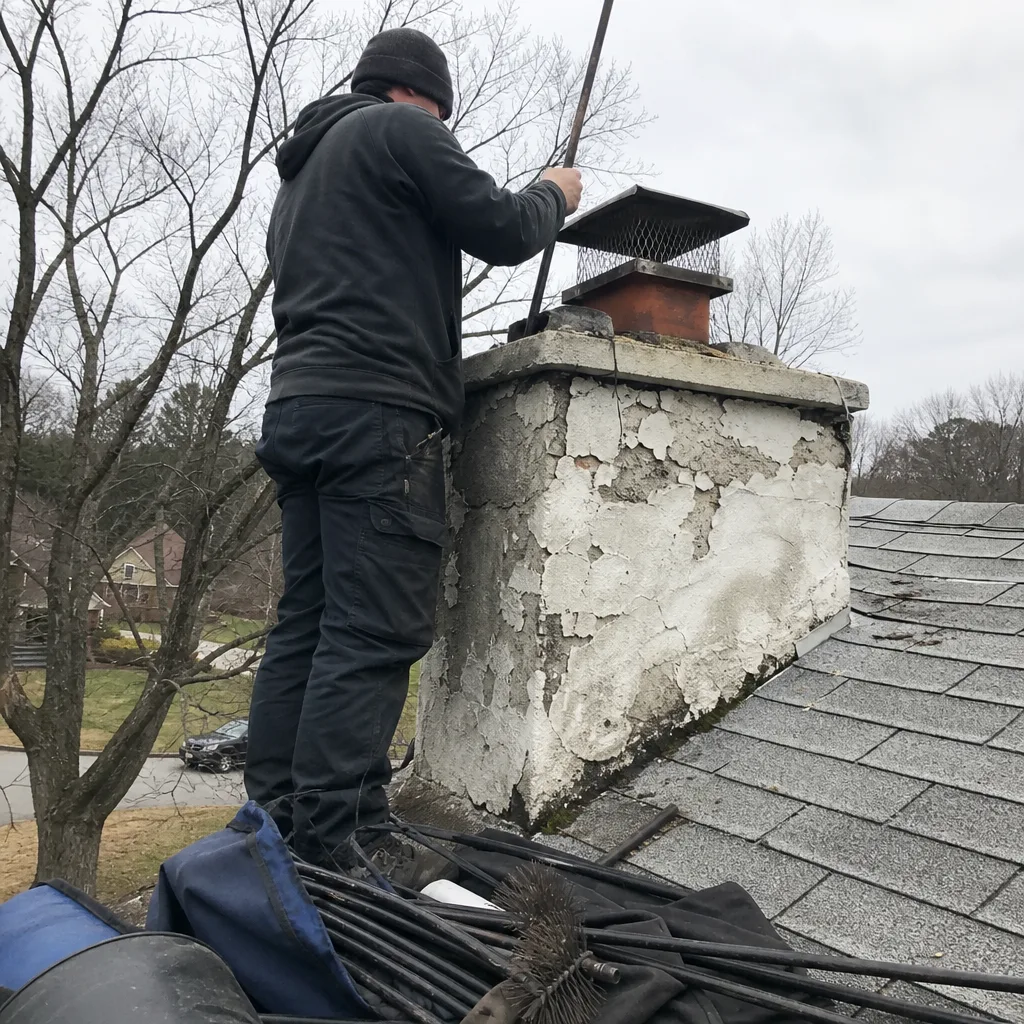 Before
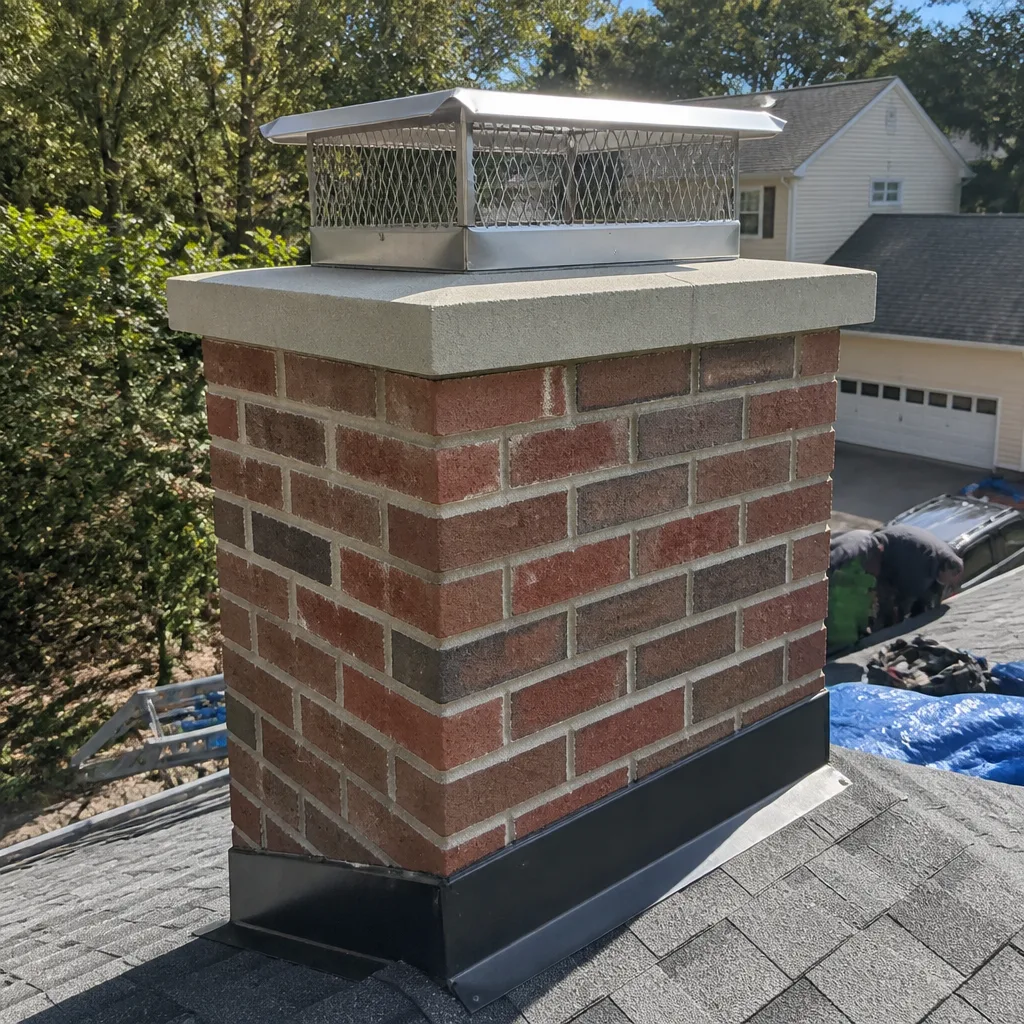 After
AfterSeasonal Chimney Cleaning Care for Waterford: Year-Round Homeowner’s Guide
Spring is the worst time to ignore your chimney and the best time to deal with it, but most Waterford homeowners don’t think about the flue until the first cold snap in October, which is exactly when every sweep in New London County is booked solid. What actually protects a chimney isn’t the calendar reminder that says “clean it every fall.” It’s knowing what each Connecticut season does to the masonry and the liner, then timing the work to match. This guide builds that schedule around the weather Waterford actually gets: freeze-thaw winters, humid summers, and a narrow fall window when demand spikes and availability collapses.
Quick Answer
Waterford homeowners should sweep the chimney once a year, but the smart money schedules that sweep in spring or early summer, not fall. Spring is when freeze-thaw damage from winter finally shows itself, and summer is when animals and humidity do their worst. Waiting until September means paying peak-season rates and often waiting until November for an appointment. Off-season scheduling through a local sweep like Top Hat Chimney costs less, gets the chimney inspected when damage is easiest to spot, and leaves the firebox ready to burn the day the first frost hits. For a full breakdown, see our Chimney Cleaning & Sweep Maintenance Checklist for Waterford Homeowners.
Table of Contents
- Why Spring Is When You Find the Damage, Not Cause It
- Summer Chimney Problems in Waterford: Animals, Humidity, and Uncapped Flues
- The Fall Booking Reality in Waterford and New London County
- What Off-Season Chimney Work Actually Costs vs. Peak-Season Rates
- Waterford Month-by-Month Chimney Reference Card
- How Creosote Behaves Differently by Season in Connecticut
- Liners, Crowns, and Masonry: What Each Season Does to Them
- What a Waterford Homeowner Can Safely Check Between Sweeps
Why Spring Is When You Find the Damage, Not Cause It
Winter doesn’t just dirty a chimney. It beats on it. Waterford gets dozens of freeze-thaw cycles every winter, where daytime temperatures climb above freezing and nighttime drops back below. Water seeps into hairline cracks in brick and mortar, freezes, expands by about 9 percent, and wedges those cracks wider. Over a single winter, a small crack becomes a visible gap. Over five winters, spalling brick and crumbling mortar joints show up at the crown, the shoulders, and along the flue.
Here’s the thing most people get backwards. The damage happened in January. You just can’t see it until the ice melts and the masonry dries out in April. That’s why spring is when you find chimney damage, not when you cause it.
A spring sweep in Waterford does double duty. The brush removes the creosote and soot from the burning season that just ended, and the inspection catches freeze-thaw damage while it’s fresh, before another summer of rain and another winter of ice can make it worse. Wendell has been doing this in Waterford since 1999, and he will tell you plainly: a missing crown cap or a cracked flue tile found in April is a few hundred dollars of masonry work. Found in November, same problem, after a summer of water getting in, it’s liner replacement and sometimes a rebuild.
One more reason spring matters. Creosote is acidic. It isn’t just flammable; it eats at mortar and metal. Leaving a season’s worth of creosote sitting in the flue through the humid summer months gives it months longer to do chemical damage. The sweep in March or April stops that.
Summer Chimney Problems in Waterford: Animals, Humidity, and Uncapped Flues
Most people think of summer as the off-season, and for burning it is. For the chimney itself, summer is when some of the most expensive damage gets started. Waterford sits close enough to Long Island Sound that summer air is heavy with moisture. That humidity does specific things to an uncared-for chimney.
First, animals. Chimney swifts, raccoons, squirrels, and starlings all look at an open flue as free housing. A raccoon raising young in a chimney in May will leave behind nesting material, droppings, and often fleas. Birds build nests that block the flue entirely. That blockage sends carbon monoxide back into the house the first time the fireplace is lit in the fall. In Waterford, we see this pattern every single year. The fix before anything nests is a properly fitted chimney cap with a screen. The fix after they have nested is a removal, a cleaning, and then the cap. The cap is cheaper.
Second, humidity. Moist air moves up and down an open flue all summer. That air condenses on the cooler tile and stone surfaces inside the chimney. Condensation carries creosote residue deeper into the masonry, and the moisture accelerates the same freeze-thaw damage pattern from winter, just slower. An uncapped flue is a vent for your house’s conditioned air, too. The air conditioner runs harder because the house is quietly leaking through the chimney.
Third, what we call the “summer rain load.” Without a crown that sheds water or a cap that blocks direct rain, every summer thunderstorm puts a measurable amount of water down the flue. That water pools at the smoke shelf, soaks into the firebrick, and in a masonry chimney with a clay tile liner, it seeps between the tiles and into the surrounding structure. By August, a homeowner might smell mustiness in the firebox and not know what it is. What it is, is the chimney holding water.
Summer is the right time to address all three of these. Chimney repair in Waterford done in June or July has no competition from heating-season emergencies. Wendell can get on the roof without racing a cold front. The mortar actually cures better in warm weather. And the work is done before the fall rush, when every chimney problem becomes urgent on the same day at the same time.
The Fall Booking Reality in Waterford and New London County
Here’s a number to sit with. In Waterford and the rest of New London County, roughly 70 percent of annual chimney cleanings happen between September 15 and November 15. That’s an eight-week window. Every sweep in the county is working daylight to dusk during that window, and every homeowner is calling for the same reason at the same moment: they remembered the chimney when the weather turned.
Call in July, and Wendell’s crew can usually be there within a week or two, at a time that works for you. Call in mid-September, and you are calling alongside every other household that just switched the thermostat from cool to heat. That means an appointment in November. Not a week later. Possibly five or six weeks later.
And here is the part that surprises people. The fall backlog doesn’t just delay cleanings. It delays repairs. If your September cleaning turns up a cracked liner or a failed crown, getting that repair scheduled during peak season can take additional weeks. So the homeowner who waits until fall to book the cleaning may not have a fully safe, properly repaired chimney until December or even January. In Connecticut, that is four to eight weeks of burning season spent either not burning or burning in a chimney that hasn’t been cleared.
The fall crush in Waterford is a scheduling reality, not a marketing scare line. Ask anyone on your street who has tried to get a chimney sweep in October. They will tell you the same thing. The way around it is simple: book in spring after the last fire, or in summer before Labor Day. The chimney is ready when you are, not the other way around.
What Off-Season Chimney Work Actually Costs vs. Peak-Season Rates
Chimney work in Waterford and New London County follows a seasonal pricing curve, but most homeowners never see it clearly because they only ever call during peak season. Here is how the market actually works here.
A standard chimney sweep and inspection in this part of Connecticut generally runs $180 to $340. That base rate holds pretty steady all year; what changes around the edges is availability and repair pricing. During peak season, sweeps are running back-to-back appointments. Jobs get compressed. A repair that needs two hours might get quoted at premium because fitting it into an overloaded schedule is itself worth money. In the spring and early summer, that same repair can be scheduled at a normal pace, and the rate reflects that.
Peak-season pricing pressure shows up most in emergency and “squeeze-in” work. A homeowner who discovers a problem on November 1 and needs the chimney safe before Thanksgiving is paying for speed. The same repair booked in May is a routine job. Over the years, we have watched the differential run anywhere from 10 to 25 percent for the same repair depending on when the call comes in.
There is also the indirect cost of peak-season waiting: if your chimney is out of commission because of a problem you did not find until November, you are either paying for alternative heat or going without the fireplace during the coldest stretch of the year. That has a cost too, even if it never shows up on an invoice.
One practical note for Waterford homeowners. Top Hat Chimney holds standing offers year-round that make off-season work easier to justify: $40 off any repair over $200, a free second opinion on any competing written estimate, and no trip charge for calls inside the county. Plus 10 percent off always for seniors and veterans. The pricing is upfront before a single tool comes off the truck, and the number you hear on the phone is the number on the invoice. That doesn’t change by season.
Waterford Month-by-Month Chimney Reference Card
Here is a practical month-by-month reference for Waterford homeowners, tied to what the weather is actually doing each month, not to a generic calendar reminder.
- January: Burning season in full swing. Watch for smoke backing into the room, which signals a draft or blockage problem. Check that the damper opens and closes fully. If you smell smoke when the fire is out, call a sweep.
- February: Freeze-thaw cycles are at their most aggressive. If you see efflorescence (white powder) on exterior brick, that is water moving through masonry. Note it. Plan to have it looked at in spring.
- March: Last fires of the season for most Waterford homes. Book the sweep now, before the spring rush. The creosote from this season’s burns needs to come out, not sit all summer.
- April: Prime inspection month. Freeze-thaw damage is visible. The sweep happens, the chimney gets checked, and any needed repairs get scheduled while the schedule is open.
- May: Animal nesting season peaks. If you don’t have a capped chimney, now is the time. Raccoons and squirrels are looking for den sites. A cap costs far less than a removal.
- June: Humidity begins in earnest. Check around the chimney for water stains on ceilings or walls. If the flue is open, moisture is moving through it. Consider a top-sealing damper.
- July: The slowest month for sweeps in Waterford. This is the cheapest, easiest time to get repairs done. Masonry cures well in warm, dry weather. Book anything you have been putting off.
- August: The calm before the storm. Test the damper, check the cap, and make sure the firebox is clear of debris. If you skipped a spring cleaning, this is your last easy appointment slot.
- September: The phones start ringing. If you still need a sweep, call in the first week. From here on, wait times climb fast.
- October: Peak demand. If you are calling now, be ready to wait. The chimney should already be clean. If it isn’t, get on the schedule and don’t burn until it’s done.
- November: Burning season resumes in most Waterford homes. A clean flue, a clear cap, and a working damper should be the state of things before the first sustained fire.
- December: Holiday burning. Watch for any change in performance, have a carbon monoxide detector within 15 feet of the fireplace, and enjoy the fire. The chimney has been ready for months because you did the work early.
That’s the Waterford rhythm. It moves with the thermometer and the rain, not with a reminder to “clean the chimney in the fall.”
How Creosote Behaves Differently by Season in Connecticut
Creosote isn’t a static thing. It forms at different rates in different conditions, and Connecticut’s seasonal swings alter how it accumulates in a flue.
During winter, when fires burn hot and often, creosote builds fastest. Cool flue surfaces, especially in exterior masonry chimneys that run up the outside of the house, condense smoke particles quickly. Waterford winters are cold enough to keep those flue walls cool even during a fire. That means heavier creosote deposits than a homeowner in a warmer climate would see from the same wood.
Spring is the moment of maximum danger. The season’s creosote load is sitting in the flue, and the first cool, damp days of early spring are often when a homeowner builds a low, smoky fire to “take the chill off.” Low heat produces more smoke and less complete combustion, which adds a fresh layer of creosote on top of the old. This is the classic recipe for a chimney fire.
Summer is the underrated season. As noted, humidity keeps creosote chemically active. It absorbs moisture from humid air, which carries the acidic compounds deeper into the masonry and, in metal liners, accelerates corrosion. This is one reason chimney liners that looked “fine” in April can show measurable deterioration by September, even with no fires in between.
Fall is when creosote becomes a decision point. Burn the first fire of the season in an unswept chimney, and the creosote that has been accumulating all summer is now baked on and ready to ignite. First-degree creosote is a brush job. Third-degree creosote is a glaze, and it requires chemical treatment or rotary cleaning. Catch it early. Once a year, burn or no burn, because chimneys break in the off-season too.
The products we work with, including liners and components from DuraFlex and Olympia Chimney, are built to handle Connecticut’s seasonal cycles, but no liner is indestructible, and no liner makes creosote magically disappear. Sweeping is still the first line of defense.
Liners, Crowns, and Masonry: What Each Season Does to Them
Your flue doesn’t care how the fire looks. It cares how it breathes. That line applies to the liner, the crown, and the masonry around them. Each season in Waterford attacks these components differently.
The liner. In a masonry chimney, clay tile liners crack under repeated heating and cooling. Each hot fire expands the tiles; each cold night contracts them. Over years, hairline cracks form. Those cracks allow smoke, heat, and carbon monoxide to escape into the home’s structure. In a metal liner, the same expansion and contraction works on seams and connections. The seasons accelerate this cycle: winter is the expansion, spring and fall are the transition, and summer is when corrosion from trapped creosote and humidity does its quiet work.
The crown. The crown is the concrete or stone slab at the very top of the chimney that sheds water away from the flue and down the sides. Connecticut weather is brutal on crowns. Freeze-thaw cracks them. Summer heat bakes them. Once cracked, water gets underneath and into the brick and mortar below. A failed crown is the leading cause of major masonry repair in Waterford chimneys. Replacing or resealing a crown costs a few hundred dollars. Rebuilding the top five feet of a chimney costs several thousand.
The masonry. Brick and mortar are porous. They absorb water. Over decades, that is how chimneys in New England come down. The season of greatest risk is late winter into early spring, when daytime thaw lets water deep into the masonry and nighttime freeze locks it there. By April, the damage is visible: spalling bricks, crumbling mortar, vertical cracks. Spring inspection exists to catch this before another cycle repeats the damage.
Fireplace services in Waterford cover more than the firebox. The full annual sweep includes an inspection of the liner, crown, cap, flashing, and masonry. Wendell’s crew works with Famco and Copperfield products where the job needs them, and the 90-Day Done Right Promise backs the work: if it is not right, one call brings the crew back at no additional cost.
What a Waterford Homeowner Can Safely Check Between Sweeps
A homeowner does not need to climb on the roof to stay ahead of chimney problems. Here are the checks that matter, done safely from the ground or the hearth, between professional cleanings.
- Look up from the firebox with a flashlight. You should see a dark, straight path to daylight at the top if the damper is open. If light is blocked, something is in the flue or the damper is stuck.
- Check for debris in the firebox. During spring and summer, nesting material, leaves, or twigs falling into the firebox means something has access to the flue. That’s a cap issue.
- Look at the exterior brick from the ground. Walk around the chimney with binoculars if needed. White powder, cracked bricks, missing mortar, or dark staining means water is moving through the masonry and a professional look is needed.
- Sniff test near the fireplace after heavy rain. A musty smell means water is getting in somewhere. The crown, cap, or flashing is the likely culprit.
- Check the damper operation. The damper should open and close smoothly. If it sticks, rusts, or comes loose from the handle, it needs attention before burning season.
- Look at the cap from ground level if visible. If the cap is missing, rusted through, or the screen is torn, the flue is open to animals and rain. Replace it.
These checks take ten minutes twice a year, and they catch the problems that turn into thousand-dollar repairs. For Chimney Cleaning Permits, Codes & Inspections in CT: What You Need to Know, see our compliance guide. What they don’t replace is the actual sweep. The inside of the flue needs a brush and a trained eye, and the camera footage and a plain-English verdict every time, no exceptions, is what tells you whether the chimney is actually safe to burn.
Common Mistakes to Avoid
- Waiting until fall to call for a cleaning. This is the single most common mistake in Waterford, and it leads directly to waiting weeks during peak season while the fireplace sits cold on the first cool nights.
- Skipping a sweep in a year with few fires. “We barely used the fireplace” sounds reasonable, but animals, humidity, and masonry decay don’t pause because the fireplace was quiet. Once a year, burn or no burn.
- Burning the first fire of the season in an unswept chimney. That first fire bakes summer creosote into a harder layer and can light off a chimney fire. The chimney should be clean before the first burn, not after.
- Ignoring a missing or damaged chimney cap. A cap is an inexpensive part that prevents the most expensive problems: animal nests, rain entry, and flue blockages. Delaying the cap because “we’ve never had a problem” is how people get problems.
- Assuming masonry damage started recently. By the time a brick is spalling or a crack is wide enough to see from the ground, the water problem has been underway for years. Spring inspection exists to catch it before it becomes visible to the eye.
- Trusting a phone quote from an outfit you have never met. National chains quote one price on the phone and another at the door. In Waterford, the alternative is a locally owned, owner-operated sweep with a published address and license number who gives upfront pricing before the tools come off the truck.
When to Call a Professional
Call a chimney sweep in Waterford if you see smoke backing into the room, find animal nesting material in the firebox, notice water stains on ceilings or walls near the chimney, or spot crumbling brick or missing mortar on the exterior. Call after any chimney fire, and call before the first fire of the season if the chimney has not been swept in the past 12 months. None of these situations are DIY territory, and several of them involve risks that a homeowner should not take on. Chimney cleaning and sweeping in Waterford done by trained eyes is the difference between catching a $300 problem in April and financing a $3,000 repair in December. Top Hat Chimney offers free estimates in Waterford; call (860) 390-4899.
Frequently Asked Questions
Once a year is the standard for most Waterford homes, even if the fireplace saw light use. The yearly visit removes creosote, checks crown and cap integrity, and catches freeze-thaw damage from the previous Connecticut winter. Homes that burn more than three cords a season or burn green wood may need a second mid-season sweep. Call (860) 390-4899 and Wendell will give you a straight answer based on how and what you burn.
A standard sweep and inspection in Waterford and New London County typically runs $180 to $340. The cost stays consistent through the year, but availability does not. Booking in spring or early summer means more scheduling flexibility and no peak-season wait. Top Hat Chimney prices everything upfront before work starts, and seniors and veterans always save 10 percent. Call (860) 390-4899 for an exact quote; estimates are free.
You can, but the brush from the hardware store does not replace the inspection that comes with a professional sweep. What you cannot see from the roof or the firebox is what matters: hidden creosote glaze, cracked flue tiles, failed crowns. Those are the things that cause house fires and carbon monoxide leaks. In our experience, the homeowner who saves the sweep fee often pays it back three times over in repairs that the inspection would have caught early.
Spring and summer. Between April and August, demand drops, schedules open up, and repairs can be quoted and done at a normal pace. The work itself doesn’t change, but the availability and sometimes the total price do. July is the slowest month for sweeps in Waterford, which makes it the easiest time to get on the schedule. Call (860) 390-4899 to book the off-season rate and timing.
Yes, and here is why: Waterford’s proximity to Long Island Sound means humid air moving through an open flue all summer, and the surrounding wooded residential areas mean raccoons and squirrels looking for den sites every spring. A capped chimney keeps out animals, rain, leaves, and downdrafts. It costs a fraction of what animal removal, water damage repair, or a flue blockage carbon monoxide event costs. This is the single best money most Waterford homeowners spend on their chimney.
One skipped year might not cause a problem in a lightly used fireplace; two or three skipped years will. Creosote accumulates, and in Connecticut’s humid summers it stays chemically active against mortar and metal. Animals move into uncapped flues. Freeze-thaw cycles widen cracks that no one is looking at. By the time the chimney is visibly damaged, the repair is not a sweep; it is masonry work or liner replacement. The yearly sweep is the cheapest chimney work you will ever pay for. If you have been skipping it, call (860) 390-4899 and start fresh this season.
The Bottom Line
The “clean it every fall” advice is a starting point, not a strategy. In Waterford, the chimney has a seasonal rhythm: winter builds creosote and cracks masonry, spring reveals the damage, summer brings animals and humidity into an unprotected flue, and fall is when every sweep in the county is booked solid. The homeowner who works with that rhythm, not against it, gets a clean, safe chimney at lower cost and zero wait. The homeowner who waits until October gets the same chimney at peak-season rates and peak-season delays. The fix is simple: book the sweep in spring or early summer. Wendell Pike has been doing this work in Waterford since 1999, and the Top Hat Chimney home territory is the same streets he drives every day. The 90-Day Done Right Promise is in writing on every job: if it is not done right, one call brings him back.
Written by Wendell Pike, Owner at Top Hat Chimney, serving Waterford since 1999. Browse more guides & resources from our team.